The marketing world in Ireland is changing rapidly, with artificial intelligence becoming a significant force. Businesses across the country are exploring how AI can help them connect with customers more effectively and operate with greater efficiency. This article will explore the profound impact of artificial intelligence on the Irish marketing landscape, examining the vast opportunities it presents for growth and innovation, while also addressing the critical limits and hurdles that need careful consideration. From enhancing customer understanding to automating complex campaigns, AI is reshaping how Irish brands engage with their audiences. However, its adoption is not without complexities, including ethical dilemmas, data privacy concerns, and the need for a skilled workforce. We will delve into how Irish marketers can strategically implement AI, navigate its challenges, and prepare for a future where technology and human creativity work hand-in-hand to achieve remarkable results.
Ireland, with its dynamic economy and a strong presence of both indigenous businesses and multinational corporations, is particularly well-positioned to embrace AI in marketing. The country’s tech-savvy population and a growing ecosystem of innovation provide fertile ground for experimentation and adoption. However, the unique characteristics of the Irish market – its close-knit communities, emphasis on trust, and specific regulatory environment – mean that AI implementation must be thoughtful and tailored. Understanding both the promise and the pitfalls is essential for any Irish business looking to stay competitive and relevant in this evolving era of marketing.
The Transformative Power of AI in Irish Marketing
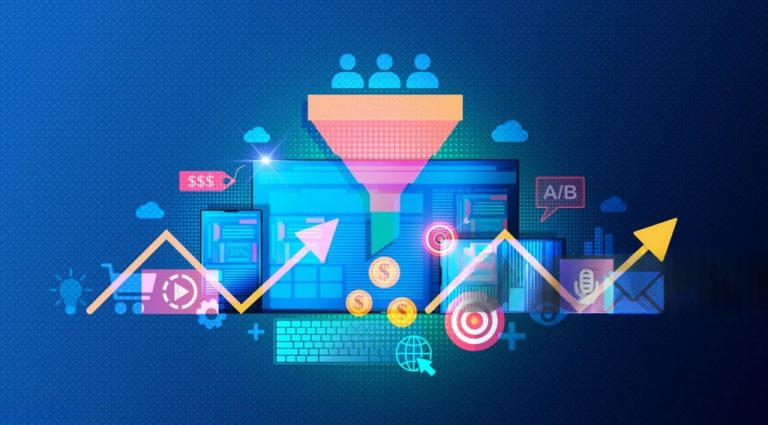
Artificial intelligence is not merely a tool; it is a fundamental shift in how marketing functions, offering unprecedented capabilities for Irish businesses. The core of AI’s power lies in its ability to process and interpret vast amounts of data at speeds and scales impossible for humans, leading to deeper insights and more effective strategies. This translates into tangible benefits across various marketing functions, directly addressing the main keyword: Marketing and Artificial Intelligence: Opportunities and Limits in Ireland.
Enhanced Customer Understanding and Personalisation
Data Analysis and Predictive Analytics: AI algorithms can analyse customer data from multiple sources – website visits, social media interactions, purchase history, and demographic information – to identify patterns and predict future behaviours. For an Irish retailer, this might mean understanding which products are likely to sell best in specific regions of the country during certain seasons, or predicting which customers are most likely to respond to a particular promotion. This moves beyond simple segmentation to truly individualised insights.
Hyper-Personalisation at Scale: With AI, Irish businesses can deliver highly personalised content, product recommendations, and offers to individual customers. Imagine an Irish tourism company using AI to suggest bespoke holiday packages based on a customer’s past travel preferences, online browsing behaviour, and even real-time location data. This level of personalisation significantly improves engagement and conversion rates, making marketing messages feel relevant rather than intrusive.
Customer Journey Mapping: AI can map complex customer journeys, identifying touchpoints and pain points. This allows Irish marketers to optimise the customer experience across all channels, from initial awareness to post-purchase support. For instance, a financial services provider in Ireland could use AI to understand why customers abandon loan applications at a certain stage and then proactively offer support or alternative solutions.
Operational Efficiency and Optimisation
Automation of Repetitive Tasks: Many marketing tasks are repetitive and time-consuming, such as scheduling social media posts, sending email newsletters, or basic customer service queries. AI-powered tools can automate these tasks, freeing up human marketers to focus on strategic planning, creative development, and complex problem-solving. This is particularly beneficial for smaller Irish businesses with limited resources.
Ad Optimisation and Bid Management: AI can continuously monitor and adjust advertising campaigns in real-time across platforms like Google Ads and social media. It can optimise bids, target audiences, and even ad creatives to achieve the best possible return on investment. An Irish e-commerce business selling handcrafted goods, for example, could use AI to ensure their advertising budget is spent most effectively, reaching potential customers in Ireland and beyond who are genuinely interested in their unique products.
Content Performance Analysis: AI tools can analyse the performance of various content pieces, identifying what resonates most with different audience segments. This allows Irish content creators to refine their strategies, producing more engaging and effective material. This could involve analysing blog post engagement, video watch times, or social media interaction rates to inform future content decisions.
Improved Content Creation and Distribution
AI-Assisted Content Generation: While human creativity remains paramount, AI can assist in generating various forms of content, from initial drafts of blog posts and social media captions to email subject lines and ad copy. This can significantly speed up content production for Irish businesses, allowing them to maintain a consistent presence across multiple channels. For a local food producer, AI could help draft engaging descriptions for new products or generate ideas for seasonal marketing campaigns.
Dynamic Content Delivery: AI can dynamically adjust website content, email layouts, or ad creatives based on individual user preferences and real-time behaviour. This ensures that each customer sees the most relevant and appealing version of a message, enhancing engagement and conversion rates for Irish brands.
SEO Optimisation: AI tools can analyse search trends, competitor strategies, and content gaps to provide recommendations for search engine optimisation (SEO). This helps Irish businesses ensure their content is discoverable by their target audience, improving organic traffic and visibility in a competitive online environment.
The opportunities presented by AI in Irish marketing are extensive, promising not just incremental improvements but transformative growth. By embracing these technologies thoughtfully, Irish businesses can gain a significant competitive advantage, build stronger customer relationships, and achieve greater operational efficiency.
Practical AI Marketing Strategies for Irish Businesses
For Irish businesses looking to integrate AI into their operations, a strategic approach is essential. It’s not about replacing human marketers but augmenting their capabilities and making their efforts more impactful. Here, we explore practical AI marketing strategies Ireland can adopt to drive growth and efficiency.
1. AI-Powered Customer Segmentation and Targeting
Granular Audience Understanding: Traditional segmentation often relies on broad demographics. AI takes this further by identifying subtle patterns in behaviour, preferences, and intent across vast datasets. For an Irish fashion retailer, AI might identify a segment of customers in Cork who prefer sustainable brands and are active on Instagram, allowing for highly targeted campaigns that resonate deeply with their values.
Lookalike Audience Creation: AI can analyse the characteristics of your most valuable customers and then identify similar profiles across broader online populations. This is incredibly useful for expanding reach efficiently, helping Irish businesses find new customers who are likely to be interested in their products or services.
Predictive Lead Scoring: For B2B companies in Ireland, AI can score leads based on their likelihood to convert, prioritising sales efforts towards the most promising prospects. This optimises sales team productivity and shortens sales cycles.
2. AI-Driven Content Creation and Optimisation
Automated Content Generation: While AI cannot fully replicate human creativity, it can generate initial drafts for various content types. This includes email subject lines, social media posts, product descriptions, and even basic news articles. For an Irish food blog, AI could suggest recipe variations or draft introductory paragraphs, saving significant time for the human writer.
Personalised Content Delivery: AI can dynamically adapt website content or email newsletters based on individual user profiles and real-time interactions. This ensures that each visitor to an Irish e-commerce site sees products and promotions most relevant to them, enhancing their shopping experience.
Brand Voice Consistency: When using AI for content, it is absolutely vital to ensure that the generated text aligns with your brand’s unique tone and style. AI tools can be trained on existing brand guidelines and content to maintain consistency. This ensures that even with AI assistance, your brand’s personality shines through. For more on this, consider how to Ai Marketing Keep Your Brand Voice Authentic.
3. Chatbots and Conversational AI for Customer Engagement
24/7 Customer Support: AI-powered chatbots can handle a significant volume of customer queries around the clock, providing instant answers to frequently asked questions. This improves customer satisfaction and reduces the workload on human support teams for Irish businesses, particularly those with international customers.
Lead Qualification and Nurturing: Chatbots can engage website visitors, ask qualifying questions, and guide them through the sales funnel. For an Irish property developer, a chatbot could answer initial queries about new developments, collect contact information, and even schedule viewings.
Personalised Recommendations: Beyond support, conversational AI can offer personalised product recommendations or service suggestions based on user input, acting as a virtual sales assistant.
4. Predictive Analytics for Business Growth
Sales Forecasting: AI can analyse historical sales data, market trends, and external factors to provide highly accurate sales forecasts. This helps Irish businesses with inventory management, resource allocation, and strategic planning.
Customer Churn Prediction: AI can identify customers who are at risk of leaving based on their behaviour patterns. This allows Irish companies to proactively intervene with targeted retention strategies, such as special offers or personalised outreach, before a customer is lost.
Optimising Pricing Strategies: AI can analyse competitor pricing, market demand, and customer willingness to pay to recommend optimal pricing strategies that maximise revenue and profitability for Irish products and services.
5. AI in Advertising and Campaign Optimisation
Dynamic Ad Creative Optimisation: AI can test multiple variations of ad copy, images, and calls to action in real-time, automatically prioritising the best-performing combinations. This ensures that Irish advertising campaigns are always delivering the most effective message.
Programmatic Advertising: AI is at the heart of programmatic advertising, automating the buying and selling of ad space. This allows for highly targeted ad placements across various digital channels, ensuring Irish brands reach their desired audience with precision and efficiency.
Budget Allocation: AI can continuously monitor campaign performance and reallocate budgets across different channels or campaigns to maximise ROI. For an Irish charity running multiple fundraising campaigns, AI could ensure funds are directed to the most effective channels.
Implementing these strategies requires careful planning, investment in the right tools, and a commitment to continuous learning. However, the rewards in terms of efficiency, customer satisfaction, and business growth are substantial for Irish enterprises willing to embrace AI.
Addressing the Limits: Challenges and Ethical Considerations in Irish AI Advertising
While the opportunities presented by AI in Irish marketing are compelling, it is equally important to acknowledge and address the inherent limits and challenges. A responsible approach to AI adoption means understanding these hurdles, particularly concerning ethical AI in Irish advertising, and developing strategies to mitigate them. Ignoring these aspects can lead to significant reputational damage, legal issues, and a loss of customer trust.
Data Privacy and Regulatory Compliance (GDPR)
Strict EU Regulations: Ireland, as part of the European Union, operates under the stringent General Data Protection Regulation (GDPR). This regulation places significant obligations on businesses regarding how they collect, process, store, and use personal data. AI systems, which thrive on data, must be designed and implemented with GDPR compliance at their core. This means obtaining explicit consent, ensuring data minimisation, and providing individuals with rights over their data.
Transparency and Explainability: A key challenge is the ‘black box’ nature of some AI algorithms. It can be difficult to understand precisely how an AI system arrived at a particular decision or recommendation. For Irish advertising, this raises questions about transparency. Consumers have a right to understand why they are being targeted with specific ads, and businesses need to be able to explain their AI’s logic, especially when personal data is involved.
Data Security: The sheer volume of data processed by AI systems makes them attractive targets for cyberattacks. Irish businesses must invest in robust cybersecurity measures to protect sensitive customer data from breaches, which could have severe financial and reputational consequences.
Bias in AI Algorithms and its Impact
Inherited Bias: AI systems learn from the data they are fed. If this data contains historical biases – for example, reflecting societal inequalities or discriminatory practices – the AI will perpetuate and even amplify these biases in its outputs. In Irish advertising, this could lead to discriminatory targeting, excluding certain demographics from seeing relevant ads, or reinforcing stereotypes.
Unfair Targeting: An AI system might inadvertently exclude certain groups from seeing job advertisements or financial product offers based on proxies for protected characteristics, even if those characteristics are not explicitly used in the targeting criteria. This can have serious ethical and legal ramifications, undermining principles of fairness and equality in Irish society.
Reputational Risk: Discovering that an AI system is exhibiting bias can severely damage a brand’s reputation and erode customer trust. Irish consumers are increasingly aware of ethical issues, and businesses must demonstrate a commitment to fair and inclusive practices.
The Need for Human Oversight and Critical Thinking
AI as an Assistant, Not a Replacement: While AI can automate many tasks, it lacks human intuition, creativity, and ethical judgment. Relying solely on AI without human oversight can lead to errors, inappropriate messaging, or missed opportunities. Irish marketers must maintain a hands-on approach, reviewing AI outputs and making strategic decisions.
Understanding Context and Nuance: AI struggles with understanding cultural nuances, sarcasm, or complex emotional contexts that are often critical in effective marketing communication. For the Irish market, with its unique cultural identity and humour, human marketers are essential to ensure messages resonate authentically and avoid misinterpretations.
Ethical Decision-Making: AI cannot make ethical judgments. It can optimise for a given objective, but it cannot determine if that objective is ethically sound. Human marketers must set the ethical boundaries and ensure AI is used responsibly, particularly in sensitive areas like health, finance, or children’s advertising.
Skill Gaps and Implementation Costs
Talent Shortage: There is a growing demand for professionals with skills in AI, data science, and machine learning. Irish businesses may face challenges in finding and retaining talent capable of implementing, managing, and optimising AI marketing solutions.
Investment Required: Implementing sophisticated AI marketing tools can involve significant upfront investment in software, infrastructure, and training. This can be a barrier for smaller Irish businesses or start-ups with limited budgets.
Integration Complexities: Integrating new AI systems with existing marketing technology stacks can be complex and require technical expertise, potentially leading to disruptions if not managed carefully.
Navigating these limits requires a proactive and thoughtful strategy. Irish businesses must prioritise ethical considerations, invest in training their workforce, and maintain a balance between technological advancement and human oversight to truly harness the power of AI responsibly.
The Future of Marketing Technology in Ireland: Trends and Predictions
As we look ahead, the trajectory of the future of marketing technology Ireland is set to be dynamic and transformative. AI will continue to be a central force, evolving rapidly and integrating more deeply into every facet of marketing. Irish businesses that anticipate these trends and prepare accordingly will be best positioned for sustained growth and competitive advantage.
1. Hyper-Personalisation and Individualised Customer Journeys
Beyond Segmentation: The future will move beyond broad segments to truly individualised experiences. AI will enable marketers to create unique customer journeys for each person, adapting content, offers, and interactions in real-time based on their immediate context, mood, and past behaviour. Imagine an Irish consumer receiving a notification for a coffee shop discount as they walk past, tailored to their preferred coffee order and loyalty status.
Predictive Customer Service: AI will not only respond to customer queries but will proactively anticipate needs and issues, offering solutions before a customer even realises they have a problem. This could involve an Irish telecom provider using AI to detect potential network issues for a customer and offering a solution before they experience an outage.
2. Voice Search Optimisation and AI Assistants
Dominance of Voice: Voice search and AI assistants (like Alexa, Google Assistant, Siri) are becoming increasingly prevalent. Irish marketers will need to optimise their content for conversational queries, focusing on natural language processing and long-tail keywords. This means understanding how people speak, not just how they type.
Audio Content and Advertising: The rise of podcasts and audio content will continue, with AI playing a role in personalising audio ads and even generating synthetic voices for brand messaging. Irish brands might use AI to create dynamic audio ads that adapt based on the listener’s location or interests.
3. Augmented Reality (AR) and Virtual Reality (VR) in Marketing
Immersive Experiences: While still nascent, AR and VR are set to become more mainstream in marketing. AI will power these immersive experiences, allowing Irish consumers to virtually try on clothes, preview furniture in their homes, or take virtual tours of properties. AI will personalise these experiences, making them more relevant and engaging.
Interactive Advertising: Imagine an Irish tourism board using AR to allow potential visitors to ‘walk through’ a historical site from their living room, with AI guiding them through personalised points of interest.
4. The Evolving Role of the Human Marketer
Strategic Oversight and Creativity: The future marketer in Ireland will spend less time on repetitive tasks and more on high-level strategy, creative ideation, ethical considerations, and building genuine customer relationships. AI will handle the heavy lifting of data analysis and execution, allowing humans to focus on innovation and empathy.
AI Trainers and Interpreters: New roles will emerge for professionals who can train AI algorithms, interpret their outputs, and bridge the gap between technology and human understanding. Irish universities and training programmes will need to adapt to equip the workforce with these skills.
5. Ethical AI and Trust as a Competitive Differentiator
Consumer Demand for Ethics: As AI becomes more pervasive, consumers will increasingly demand transparency, fairness, and privacy from brands. Irish businesses that prioritise ethical AI practices will build stronger trust and gain a significant competitive advantage.
Regulatory Evolution: We can expect further evolution in regulations governing AI, particularly concerning data usage, algorithmic bias, and consumer rights. Irish businesses will need to stay agile and adapt their AI strategies to remain compliant and responsible.
6. AI-Powered Analytics and Real-Time Optimisation
Continuous Learning: AI systems will become even more sophisticated at continuous learning, adapting marketing strategies in real-time based on immediate feedback and changing market conditions. This means campaigns will be perpetually optimised, maximising their effectiveness.
Cross-Channel Attribution: AI will provide more accurate insights into the complex interplay of different marketing channels, helping Irish businesses understand the true ROI of their integrated campaigns.
Ireland has the potential to be a leader in the responsible and innovative application of marketing technology. By fostering a culture of continuous learning, ethical consideration, and strategic investment, Irish businesses can not only navigate but thrive in this exciting future.
FAQs
What is the biggest challenge for Irish businesses adopting AI in marketing?
One of the most significant challenges is balancing the drive for innovation with strict data privacy regulations like GDPR. Ensuring AI systems are transparent, unbiased, and compliant with ethical guidelines while still delivering powerful results requires careful planning and ongoing vigilance. Additionally, the cost of implementation and the need for skilled talent can be hurdles for smaller enterprises.
How can small Irish businesses start using AI in their marketing?
Small businesses can begin by focusing on accessible AI tools for specific tasks, such as AI-powered email marketing platforms for segmentation and automation, chatbot solutions for customer service, or social media scheduling tools with AI-driven content suggestions. Starting with clear objectives and measuring the impact of these smaller implementations can provide valuable experience before scaling up.
Will AI replace human marketers in Ireland?
No, AI is more likely to augment human marketers rather than replace them entirely. AI excels at data analysis, automation, and optimisation, freeing up human professionals to focus on strategic thinking, creative development, building relationships, and ethical oversight. The future of marketing in Ireland will involve a collaborative approach between human ingenuity and AI efficiency.
What are the key ethical considerations for AI in Irish advertising?
Key ethical considerations include ensuring data privacy and GDPR compliance, preventing algorithmic bias that could lead to discriminatory targeting, maintaining transparency about AI’s role in advertising, and ensuring human oversight to prevent unintended consequences. Trust and authenticity are paramount for Irish consumers, making ethical AI a critical component of successful advertising.
Further Reading Suggestions
For insights into maintaining your brand’s unique voice while using AI for content creation, you might find value in exploring strategies for Ai Marketing Keep Your Brand Voice Authentic.
While specific to other regions, understanding general principles of content marketing tools and best practices can be broadly applicable. Consider reviewing resources like Content Marketing Tools Every Business Should Consider In Australia and Content Marketing Best Practices For Sustainable Growth In Canada for ideas that can be adapted to the Irish context.
Explore Using AI for Marketing Without Losing Brand Voice: https://lyxity.com/ai-marketing-keep-your-brand-voice-authentic/
Explore Content Marketing Tools Every Business Should Consider in Australia: https://lyxity.com/content-marketing-tools-every-business-should-consider-in-australia/
Explore Content Marketing Best Practices for Sustainable Growth in Canada: https://lyxity.com/content-marketing-best-practices-for-sustainable-growth-in-canada/