Compare GEO and AI visibility platforms in 2026. Learn the difference between monitoring AI mentions and actually improving AI discoverability.

How to Turn AI Search Recommendations into New Customers in 2026: From AI Visibility to Sales
Learn how to turn AI search recommendations into customers in 2026. Discover how Topical Authority, website content and LYXITY support lead generation.

How Digital Marketing Agencies Can Build Topical Authority
Discover how digital agencies can build Topical Authority in 2026, improve client AI visibility and save hundreds of content-management hours using LYXITY.
How to Measure Your Brand’s AI Search Visibility in 2026
Learn how to measure AI brand visibility in 2026, including mentions, citations, share of visibility, referral traffic and conversions.
How to Get Your Business Found by Google Gemini in 2026
Learn how to get your business found through Google Gemini and AI search in 2026. Discover practical SEO steps and how LYXITY builds Topical Authority.

How to Get Your Brand Recommended by AI in 2026
Discover how to get your brand recommended by AI in 2026. Learn how brand credibility, accurate information and Topical Authority support AI discoverability.
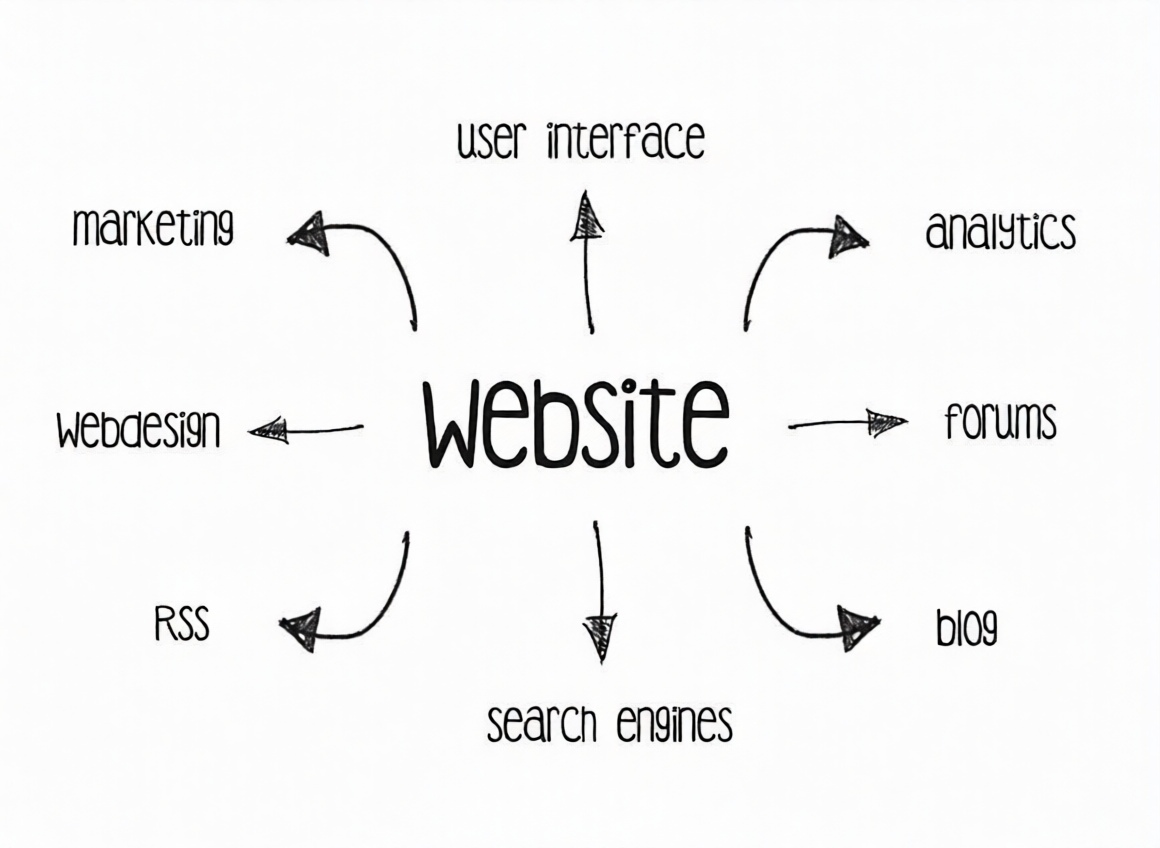
How to Get Discovered by AI in 2026
Discover how AI search finds websites in 2026. Learn about crawling, indexing, structured content and Topical Authority, and how LYXITY helps.
How to Get Seen by AI in 2026
Get seen on AI. Get recommended. Get new customers. Discover why AI search is changing the way customers find businesses, why Topical Authority matters, and how LYXITY helps brands become more discoverable by ChatGPT, Gemini, Claude, Perplexity and other AI-powered search platforms. Meta description: Learn how to get seen by AI in 2026. Discover how LYXITY builds Topical Authority, improves website content and helps businesses get discovered by AI search. Your next customer could be asking AI about your business right now. Will they find you? Imagine a potential customer sitting at their desk, looking for a company that provides exactly what your business sells. A few years ago, they would probably have opened Google, entered a handful of keywords, clicked through several websites and compared suppliers. Today, that same person might simply ask ChatGPT: “Can you recommend a reliable supplier of commercial ventilation equipment in Northern Ireland that also delivers throughout the UK and Ireland?” Within seconds, AI could produce a shortlist of suitable companies, explain their services, compare their capabilities and suggest which suppliers the customer should investigate. The customer may never look beyond that initial shortlist. Now consider two businesses. The first has an attractive website, plenty of experience and excellent products. Unfortunately, its website contains outdated information, poorly connected service pages and very little detailed content explaining its expertise. The second has a website packed with current, relevant, well-structured information covering its products, industry knowledge, services, customer requirements and specialist capabilities. Its content is regularly maintained, its subject areas are comprehensively covered, and its pages are intelligently connected. Which business gives AI more useful information to work with? The second. That doesn’t guarantee it will appear in an AI recommendation. But it has given AI systems far more relevant information to discover, interpret and potentially use. This is why Topical Authority has become such an important consideration for businesses in 2026. And it is precisely the challenge that LYXITY has been built to address. 1. Search has already changed. Your customers have too. For years, digital marketing followed a familiar process. A company invested in Search Engine Optimisation (SEO), Pay-Per-Click (PPC), social media and content marketing to attract visitors to its website. Once those visitors arrived, the objective was to convert them into enquiries, bookings or sales. That process still matters. However, AI-powered search has introduced another way for customers to discover and evaluate businesses. People are increasingly using conversational AI to ask detailed questions, research products, explore solutions and identify potential suppliers. Instead of entering several short keyword searches, they can describe their complete requirement in one conversation. AI can then provide an answer that combines information from multiple sources. This matters because the customer’s first meaningful interaction with your brand may now happen inside an AI-generated answer, rather than on your website. TRADITIONAL SEARCH JOURNEY Google search Visit websites Compare suppliers Make an enquiry Become a customer AI-POWERED SEARCH JOURNEY Ask an AI platform AI researches options AI suggests suppliers Customer validates Enquiry or purchase The website remains essential, but AI may now influence which businesses reach the customer’s shortlist. The evidence behind the change 68% Of US Google searches ended without a click January–April 2026, SparkToro / Similarweb. This covers all causes of zero-click searches, not AI alone. 42% Higher conversion rate for AI-referred retail visits March 2026, Adobe’s US retail analysis, compared with non-AI visits. Results vary by sector. SparkToro’s research demonstrates the scale of zero-click behaviour, while Adobe’s findings suggest that visitors who do arrive from AI recommendations can have substantial commercial value. There is an important distinction: zero-click searches are not all caused by AI. Google Maps, featured snippets, knowledge panels and other search features also contribute. Nevertheless, the commercial message is clear. Businesses cannot afford to measure their entire online presence by website traffic alone. They also need to understand whether potential customers can discover them through AI. 2. Why being recommended by AI is more valuable than an ordinary website visit Think about how people traditionally made buying decisions. They might ask a knowledgeable colleague, friend or industry contact: “Who would you recommend?” A recommendation from somebody they trusted often carried more weight than an advertisement. AI-powered search introduces an interesting parallel. When someone asks ChatGPT or Gemini to recommend a supplier, they may receive an answer that explains which companies offer a particular service, what each company specialises in and why certain options might meet their requirements. That contextual explanation can carry considerable influence. An AI recommendation can feel remarkably similar to receiving advice from a knowledgeable friend. Of course, AI is not a friend, and its answers can be inaccurate or incomplete. Customers should verify important recommendations. But from a marketing perspective, there is a significant difference between a company appearing in a list of search results and a company being discussed within a relevant recommendation. Consider these two outcomes. Traditional Google search Your company appears among several organic search results. The customer must decide whether to visit your website and investigate. AI-powered discovery The customer asks about a particular business problem. AI mentions your company as a potential supplier, describes its relevant capabilities and may provide a source link for further investigation. In the second scenario, some of the research has already happened before the customer reaches your website. That is the opportunity. Instead of simply competing for clicks, businesses are increasingly competing to be included in the customer’s consideration set. The commercial objective is no longer just to attract website visitors. It is to become a business that AI can discover, understand and potentially recommend. 3. What is Topical Authority, and why does it matter to AI search? Topical Authority describes the extent to which a website demonstrates credible, useful and comprehensive knowledge of a particular subject. It is not simply about having lots of articles. It is about how well a business explains its expertise through relevant, accurate and interconnected content. Imagine a company that specialises in industrial ventilation systems. Its website