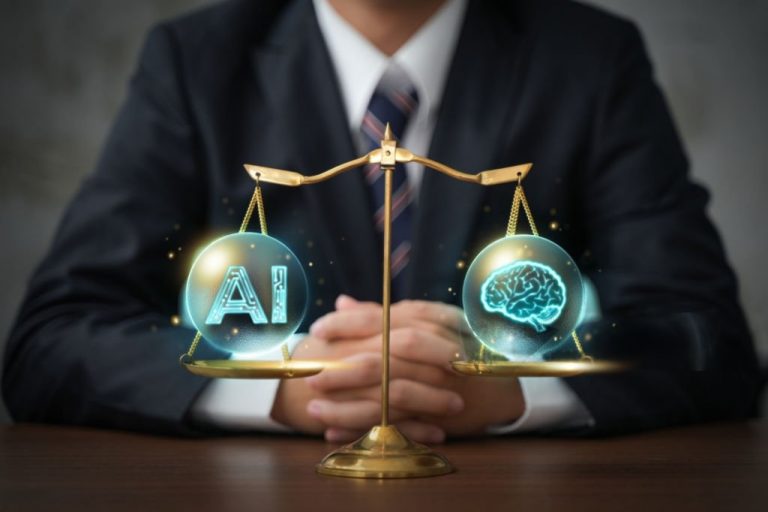
The world of content marketing is always moving, and a significant force shaping its direction today is artificial intelligence. From how we generate ideas to how we measure success, AI tools are redefining what’s possible, moving beyond mere automation to offer sophisticated capabilities that were once the stuff of science fiction. This guide explores the practical ways artificial intelligence is not just augmenting but fundamentally transforming content marketing operations, offering a strategic roadmap for businesses looking to stay ahead.
For years, content marketers have grappled with the twin challenges of producing high-quality, engaging content at scale while simultaneously ensuring it reaches the right audience at the opportune moment. The sheer volume of content required to maintain visibility and relevance in today’s crowded online spaces can be overwhelming, often stretching resources thin and leading to burnout. Traditional methods, while foundational, often struggle to keep pace with the dynamic shifts in consumer behaviour, search engine algorithms, and platform trends.
This is precisely where artificial intelligence steps in, not as a replacement for human ingenuity, but as a powerful collaborator. AI is no longer a futuristic concept; it is a present-day reality offering tangible solutions to long-standing content marketing dilemmas. It provides the capacity to process and interpret vast datasets, identify subtle patterns, and make predictions with a precision that far exceeds human capabilities. This allows content professionals to make more informed decisions, optimise their efforts, and ultimately deliver more impactful results.
Our exploration will delve into how AI is influencing every stage of the content lifecycle, from initial ideation and creation to distribution, personalisation, and performance analysis. We will examine specific AI tools for content creation that are becoming indispensable, discuss the intricacies of AI content strategy implementation, and cast an eye towards the future of content marketing with AI, considering both the opportunities and the responsibilities that come with this powerful technology. Prepare to understand not just what AI can do, but how you can strategically integrate it into your content marketing framework to achieve remarkable outcomes.
Understanding the AI Revolution in Content Marketing
To truly grasp how Artificial Intelligence is changing content marketing, it is essential to first understand what this revolution entails. It is not simply about automating repetitive tasks, although that is certainly a significant component. Instead, AI in content marketing refers to the application of machine learning, natural language processing (NLP), and data analytics to enhance, streamline, and personalise content-related activities across the board.
Historically, content marketing has been a labour-intensive discipline, relying heavily on human intuition, manual research, and creative output. While these human elements remain absolutely vital, AI introduces a layer of data-driven precision and efficiency that was previously unattainable. Imagine the hours spent on keyword research, competitor analysis, audience segmentation, or even drafting initial content outlines. AI can now assist with these tasks, often completing them in a fraction of the time and with a level of detail that would be impractical for a human to achieve manually.
The shift is profound. We are moving from a reactive approach, where content marketers often respond to trends after they emerge, to a more proactive and predictive model. AI algorithms can analyse vast quantities of data – from search queries and social media conversations to website behaviour and sales figures – to identify emerging topics, predict audience interest, and even suggest optimal content formats and distribution channels. This capability allows businesses to create content that is not only relevant but also timely and highly targeted, significantly increasing its potential impact.
Furthermore, AI helps content marketers overcome the challenge of scale. In a world where consumers expect a constant stream of fresh, valuable content, maintaining output without compromising quality is a constant struggle. AI tools can assist in generating variations of content, localising it for different markets, or even repurposing existing assets into new formats, all while maintaining brand voice and messaging consistency. This means smaller teams can achieve more, and larger organisations can operate with unprecedented agility.
Ultimately, the AI revolution in content marketing is about augmenting human capabilities, freeing up creative professionals from mundane, data-heavy tasks so they can focus on higher-level strategy, creative storytelling, and building authentic connections with their audience. It is about making content marketing smarter, more efficient, and ultimately, more effective in achieving business objectives.
AI’s Impact on Content Creation and Curation
One of the most visible and transformative areas where AI is making its mark is in content creation and curation. The notion that AI can write compelling copy or generate engaging visuals might have seemed far-fetched a few years ago, but today, AI tools for content creation are becoming standard components in many content marketers’ arsenals.
Idea Generation and Research
Topic Discovery: AI-powered platforms can analyse trending topics across social media, news outlets, and search engines, identifying gaps in existing content and suggesting novel angles. They can delve into competitor content strategies, pinpointing what works well and where opportunities lie for differentiation. This moves beyond simple keyword research, offering a more holistic view of audience interest and market demand.
Audience Insights: AI can process demographic data, behavioural patterns, and sentiment analysis to create incredibly detailed audience personas. This allows content creators to understand not just what their audience wants to read, but how they prefer to consume information and what emotional triggers resonate most effectively. This deep understanding informs the entire creative process, ensuring content is tailored for maximum impact.
Content Drafting and Optimisation
Automated Content Generation: While AI is not yet ready to write a Pulitzer-winning novel, it excels at generating various forms of content, from initial blog post outlines and headlines to product descriptions, social media updates, and even email subject lines. These tools can produce first drafts that significantly reduce the time spent on staring at a blank page, providing a solid foundation for human editors to refine and inject their unique voice and perspective. For instance, an AI could generate five different headlines for a blog post, each with a slightly different angle, allowing the marketer to choose the most compelling option or combine elements for a superior result.
SEO Enhancement: AI tools can analyse content for SEO effectiveness in real-time. They can suggest optimal keyword placement, assess readability scores, recommend internal linking opportunities, and even identify semantic keywords that improve content relevance for search engines. This ensures that content is not only well-written but also highly discoverable, a critical factor in today’s search-driven world.
Grammar and Style Correction: Beyond basic spell-checking, AI-powered grammar tools can identify complex grammatical errors, suggest stylistic improvements, and ensure consistency in tone and voice across all content pieces. This is particularly useful for teams producing a large volume of content, helping to maintain a high standard of quality and professionalism.
Visual and Multimedia Content
Image and Video Generation: AI is increasingly capable of generating unique images, illustrations, and even short video clips based on text prompts. This can be a game-changer for marketers who need custom visuals but lack the resources for professional designers or photographers. While still evolving, the quality is rapidly improving, offering creative assets that are unique and copyright-free.
Content Repurposing: AI can assist in transforming long-form articles into engaging infographics, summarising videos into text transcripts, or extracting key quotes for social media snippets. This capability dramatically extends the life and reach of existing content, ensuring maximum return on investment from every piece created.
Content Curation
AI also plays a crucial role in content curation. Instead of manually sifting through countless articles and news feeds, AI algorithms can identify and recommend highly relevant third-party content that aligns with a brand’s audience interests and strategic objectives. This not only saves time but also ensures that curated content adds genuine value, positioning the brand as a trusted source of information within its niche. For example, an AI could monitor industry news and automatically flag articles that would be perfect for sharing on a company’s LinkedIn page, complete with suggested introductory text.
The integration of AI into content creation and curation workflows does not diminish the role of the human content marketer; rather, it elevates it. By offloading the more repetitive and data-intensive aspects, AI frees up creative professionals to focus on strategic thinking, storytelling, brand building, and injecting the unique human touch that truly resonates with audiences.
Personalisation and Distribution with AI
Beyond creation, AI is fundamentally transforming how content is delivered and consumed, ushering in an era of unprecedented personalisation and highly optimised distribution. The days of one-size-fits-all content are rapidly fading, replaced by experiences tailored to individual preferences and behaviours.
Hyper-Personalisation at Scale
One of AI’s most compelling contributions to content marketing is its ability to facilitate hyper-personalisation at scale. Traditional segmentation methods, while useful, often group audiences into broad categories. AI, however, can analyse vast amounts of individual user data – including browsing history, purchase patterns, engagement metrics, geographic location, and even real-time behaviour – to create incredibly granular user profiles. This allows marketers to deliver content that feels uniquely relevant to each person.
Dynamic Content Delivery: Imagine a website where the homepage layout, featured articles, and calls to action change based on whether a visitor is new or returning, what products they’ve viewed, or what topics they’ve previously engaged with. AI makes this dynamic content delivery a reality. For an e-commerce site, this could mean showcasing related products based on past purchases or browsing history, alongside blog articles that address common pain points associated with those products.
Personalised Email Marketing: AI can optimise email campaigns by determining the best send times for individual subscribers, personalising subject lines for higher open rates, and recommending specific content or products within the email body. This moves beyond basic name insertion to truly relevant messaging, significantly improving engagement and conversion rates.
Content Recommendations: Platforms like Netflix and Spotify have long demonstrated the power of AI-driven recommendation engines. Content marketers can apply similar principles to their own platforms, suggesting articles, videos, or resources that are highly likely to appeal to a user based on their past interactions and the behaviour of similar users. This keeps audiences engaged longer and encourages deeper exploration of a brand’s content ecosystem.
Optimised Content Distribution
Getting content in front of the right eyes at the right time is just as important as creating it. AI provides sophisticated capabilities for optimising content distribution across various channels.
Social Media Scheduling and Targeting: AI tools can analyse audience activity patterns on different social media platforms to recommend the optimal times for posting content, ensuring maximum visibility and engagement. Furthermore, they can assist in fine-tuning social media advertising campaigns, identifying the most receptive audience segments and predicting which creative assets will perform best, thereby reducing ad spend and increasing ROI.
Paid Media Optimisation: For paid content promotion, AI can continuously monitor campaign performance, adjusting bids, targeting parameters, and creative elements in real-time to achieve the best possible results. This level of continuous optimisation is virtually impossible for human marketers to maintain manually, especially across multiple platforms and campaigns.
SEO and SERP Placement: While AI assists in content creation for SEO, it also plays a role in distribution by helping content rank higher. Beyond keyword optimisation, AI can analyse user behaviour on search engine results pages (SERPs) – such as click-through rates and bounce rates – to provide insights into how content is perceived and suggest improvements to meta descriptions, titles, and even content structure to improve organic visibility.
The ability of AI to process and interpret vast datasets related to user behaviour and platform algorithms means that content is no longer just broadcast; it is intelligently delivered. This precision in personalisation and distribution ensures that every piece of content has the best possible chance of reaching its intended audience, fostering deeper connections and driving more meaningful interactions. It transforms content marketing from a guessing game into a highly strategic and data-driven operation.
Optimisation and Performance Measurement
The true value of any marketing effort lies in its measurable impact, and content marketing is no exception. AI is revolutionising how content performance is tracked, analysed, and optimised, moving beyond basic analytics to provide deep, actionable insights that drive continuous improvement.
Advanced Data Analysis
Traditional analytics tools provide a wealth of data, but the sheer volume can be overwhelming, making it difficult for human analysts to identify meaningful patterns and correlations. AI excels at processing and interpreting these vast datasets from disparate sources – including website analytics, social media engagement, email marketing platforms, CRM systems, and even sales data. It can uncover hidden trends, identify anomalies, and connect seemingly unrelated data points to paint a comprehensive picture of content performance.
Holistic Performance Views: AI can aggregate data from all touchpoints, providing a unified view of the customer journey and how content influences each stage. This allows marketers to understand which content pieces contribute most effectively to lead generation, customer retention, or brand loyalty, rather than just focusing on isolated metrics like page views.
Sentiment Analysis: Beyond quantitative metrics, AI can perform sentiment analysis on comments, reviews, and social media mentions related to content. This provides qualitative insights into how audiences feel about the content, identifying areas of strength and weakness in messaging, tone, or subject matter. Understanding the emotional response to content is crucial for refining future strategies.
Predictive Analytics and Forecasting
One of the most powerful applications of AI in performance measurement is its capacity for predictive analytics. Instead of merely reporting on past performance, AI can forecast future trends and outcomes based on historical data and current market conditions.
Content Performance Prediction: AI models can predict which content topics or formats are likely to perform well in the future, based on evolving search trends, audience interests, and competitor activity. This allows content teams to proactively create content that will be relevant and in demand, rather than reacting to existing trends.
Audience Behaviour Forecasting: AI can predict future audience behaviour, such as churn risk, likelihood of conversion, or engagement with specific content types. This enables marketers to intervene with targeted content strategies before issues arise or to capitalise on predicted opportunities.
ROI Forecasting: By correlating content engagement with business outcomes, AI can provide more accurate forecasts of the return on investment for different content initiatives, helping to justify budgets and prioritise resources effectively.
Automated Optimisation and A/B Testing
AI doesn’t just report on performance; it actively contributes to optimisation. It can automate and enhance the process of A/B testing and continuous improvement.
Real-time Content Adjustments: For dynamic content, AI can make real-time adjustments to headlines, images, or calls to action based on immediate user engagement data, continuously optimising for better performance without human intervention. This could involve testing multiple versions of a landing page or email in real-time and automatically shifting traffic to the best-performing variant.
Personalised Optimisation: Beyond general A/B testing, AI can perform multivariate testing at an individual level, identifying the optimal content elements for specific user segments. This level of granular optimisation ensures that every piece of content is working as hard as possible for every member of the audience.
Content Gap Analysis: AI can automatically identify gaps in a content library by comparing existing content against search queries, competitor offerings, and audience questions. It can then suggest new content topics or recommend updates to existing pieces to improve their relevance and search visibility.
By leveraging AI for optimisation and performance measurement, content marketers gain a deeper, more nuanced understanding of their content’s impact. This data-driven approach moves content strategy from guesswork to precision, allowing for continuous refinement and ensuring that every content investment yields the best possible results.
Implementing an AI Content Strategy
Successfully integrating AI into your content marketing operations requires more than simply purchasing a few tools; it demands a thoughtful and deliberate AI content strategy implementation. This involves a structured approach that considers your existing workflows, team capabilities, and overarching business objectives.
1. Assess Your Current Content Marketing Landscape
Before diving into AI, take stock of your current content marketing processes. Identify pain points, inefficiencies, and areas where human resources are stretched thin. Are you struggling with idea generation, content volume, personalisation, or performance analysis? Pinpointing these specific challenges will help you determine where AI can provide the most immediate and significant value. For example, if your team spends hours manually researching keywords and competitor content, an AI-powered research tool could be a prime candidate for initial adoption.
2. Define Clear Objectives for AI Integration
What do you hope to achieve with AI? Specific, measurable, achievable, relevant, and time-bound (SMART) objectives are crucial. Do you aim to increase content production by 30% without expanding your team? Improve content personalisation by 20% to boost engagement? Reduce the time spent on SEO optimisation by 50%? Clear objectives will guide your tool selection and provide benchmarks for measuring success.
3. Select the Right AI Tools
The market is flooded with AI tools, each with its own specialisation. It is important to choose tools that align with your identified pain points and objectives. Consider tools for:
Content Generation: AI writing assistants for drafting, summarising, or generating headlines.
SEO and Research: Platforms that offer advanced keyword research, content gap analysis, and competitive intelligence.
Personalisation: Tools for dynamic content delivery, email optimisation, and recommendation engines.
Analytics and Optimisation: AI-powered dashboards that provide predictive insights and automate A/B testing.
Start with a few tools that address your most pressing needs rather than trying to implement everything at once. Look for tools that offer good integration with your existing marketing stack.
4. Integrate AI into Existing Workflows
AI should augment, not disrupt, your current processes. Plan how new AI tools will fit into your content creation, approval, and distribution workflows. This might involve:
Content Briefs: Using AI to generate initial content briefs, which human writers then expand upon.
Editing Process: Incorporating AI grammar and style checkers as an early stage in the editing process.
Distribution: Using AI to inform social media scheduling or paid ad targeting before human marketers launch campaigns.
The goal is to create a seamless blend of human and artificial intelligence, where each complements the other’s strengths.
5. Invest in Training and Upskilling Your Team
Perhaps the most critical aspect of AI content strategy implementation is preparing your team. AI is a tool, and like any tool, its effectiveness depends on the skill of the user. Provide comprehensive training on how to use the selected AI tools, but also educate your team on the broader principles of AI in content marketing. Emphasise that AI is there to assist and elevate their work, not to replace them. Encourage experimentation and foster a culture of continuous learning. Content marketers will need to evolve into ‘AI whisperers’ – skilled at prompting, refining, and overseeing AI output.
6. Start Small, Test, and Iterate
Do not attempt a full-scale overhaul immediately. Begin with pilot projects in specific areas. For instance, use an AI writing assistant for a particular blog series or implement an AI-driven personalisation engine for a segment of your email list. Monitor the results closely, gather feedback from your team, and be prepared to adjust your strategy. AI implementation is an iterative process; continuous testing and refinement are key to long-term success.
7. Address Ethical Considerations and Maintain Oversight
As with any powerful technology, AI comes with ethical responsibilities. Be mindful of potential biases in AI-generated content, ensure data privacy compliance, and maintain transparency with your audience where appropriate. Human oversight is non-negotiable. AI-generated content should always be reviewed, edited, and fact-checked by a human to ensure accuracy, maintain brand voice, and avoid any unintended consequences. The human element provides the creativity, empathy, and ethical judgment that AI currently lacks.
By following these steps, businesses can strategically implement AI into their content marketing efforts, transforming challenges into opportunities and setting the stage for a more efficient, personalised, and impactful content strategy.
The Future of Content Marketing with AI
Looking ahead, the future of content marketing with AI promises even more profound transformations. We are only just beginning to scratch the surface of what this technology can achieve, and its continued evolution will reshape roles, strategies, and the very nature of content itself.
Hyper-Personalisation and Predictive Experiences
The trend towards personalisation will intensify, moving beyond current capabilities to truly predictive and adaptive content experiences. Imagine a scenario where AI anticipates a user’s needs and preferences even before they explicitly express them, delivering content that is not just relevant but perfectly timed and formatted for their current context. This could involve AI-driven virtual assistants that guide users through content journeys, or dynamic content that adapts in real-time based on a user’s emotional state or immediate environment, detected through various data points.
Advanced Generative AI and Multimedia Content
Generative AI will become increasingly sophisticated, capable of producing not just text but entire multimedia content pieces, including complex videos, interactive experiences, and even virtual reality environments. AI will be able to generate content in various styles and tones, mimicking specific authors or brand voices with remarkable accuracy. This will open up new avenues for immersive storytelling and highly engaging content formats that are currently resource-intensive to produce.
AI as a Strategic Partner
AI will evolve from being a set of tools to a more integrated strategic partner in content marketing. It will assist not just in execution but in high-level strategic planning, identifying market opportunities, forecasting competitive moves, and even suggesting entirely new content models. AI could help define niche markets, identify underserved audiences, and recommend innovative content formats to capture their attention, acting as a constant strategic consultant.
The Evolving Role of the Human Content Marketer
Crucially, the future of content marketing with AI does not diminish the human element; it redefines it. Content marketers will shift from being content producers to content strategists, curators, and ethical overseers. Their roles will involve:
Strategic Vision: Focusing on overarching brand narratives, long-term goals, and identifying the unique human insights that AI cannot replicate.
Creative Direction: Guiding AI tools with precise prompts, refining their output, and injecting the emotional depth and nuanced understanding that only humans possess.
Ethical Stewardship: Ensuring AI is used responsibly, addressing issues of bias, data privacy, and maintaining authenticity and trust with the audience.
Relationship Building: Concentrating on community management, direct audience engagement, and fostering genuine connections that AI can only facilitate, not create.
The emphasis will be on human creativity, critical thinking, empathy, and the ability to ask the right questions – skills that remain uniquely human.
Ethical AI and Trust
As AI becomes more pervasive, the importance of ethical considerations will grow exponentially. Ensuring transparency in AI use, mitigating algorithmic bias, and protecting user data will be paramount. Brands that use AI responsibly and transparently will build greater trust with their audiences, while those that misuse it risk significant reputational damage. The future will demand a careful balance between technological advancement and ethical responsibility.
In essence, the future of content marketing with AI is one where human ingenuity and artificial intelligence work in concert, creating a more efficient, personalised, and impactful content ecosystem. It is an exciting prospect, promising a landscape where content is not just consumed, but experienced in deeply meaningful ways.
Frequently Asked Questions (FAQs)
Will AI replace content writers and marketers?
No, AI is highly unlikely to fully replace content writers and marketers. Instead, it will transform their roles. AI excels at automating repetitive tasks, generating first drafts, and analysing data at scale. This frees up human professionals to focus on higher-level strategic thinking, creative storytelling, injecting unique brand voice, building emotional connections, and providing the critical oversight and ethical judgment that AI lacks. The future is about collaboration between human and artificial intelligence, where humans become ‘AI whisperers’ and strategists.
How do I choose the right AI tools for my content marketing?
Choosing the right AI tools begins with a clear understanding of your specific needs and pain points. Start by assessing your current content marketing challenges – whether it’s idea generation, content volume, SEO optimisation, or personalisation. Then, research tools that directly address these areas. Look for tools that offer good integration with your existing marketing stack, have a user-friendly interface, and provide strong customer support. It’s often best to start with a few key tools, test their effectiveness, and then gradually expand your AI toolkit as your strategy evolves.
Is AI-generated content detectable by search engines?
While search engines like Google have stated their focus is on the quality and helpfulness of content, regardless of how it’s produced, highly generic, unedited, or low-quality AI-generated content may struggle to rank. AI detection tools exist, but their accuracy varies. The key is to use AI as an assistant, not a replacement. Always review, edit, and enhance AI-generated content with human expertise to ensure it is accurate, original, valuable, and aligns with your brand’s unique voice. Content that provides genuine value to the reader will always be favoured.
What are the main ethical concerns when using AI in content marketing?
Several ethical concerns arise with AI in content marketing. These include:
Bias: AI models are trained on existing data, which can contain human biases. If not carefully managed, AI-generated content could perpetuate or amplify these biases, leading to unfair or inaccurate representations.
Transparency: Audiences may feel misled if they are unaware that content is AI-generated. Transparency about AI’s role can help build trust.
Data Privacy: AI tools often require access to vast amounts of data. Ensuring compliance with data protection regulations (like GDPR) and safeguarding user privacy is paramount.
Authenticity: Over-reliance on AI could lead to generic, uninspired content that lacks a genuine human touch, potentially eroding brand authenticity and audience connection.
Addressing these concerns requires careful human oversight, ethical guidelines, and a commitment to responsible AI use.
Further Readings:
Explore AI Marketing Tools: What to Use and Why: https://lyxity.com/ai-marketing-tools-what-to-use-and-why/
Explore AI in Digital Marketing: What Businesses Need to Know: https://lyxity.com/ai-in-digital-marketing-what-businesses-need-to-know/
Explore Casino SEO in the AI Era: Mastering GEO for Player Acquisition: https://lyxity.com/your-top-3-questions-from-the-casino-gaming-industry-answered/