The digital marketing sector in the United States is experiencing a profound shift, with artificial intelligence poised to reshape how businesses engage with their audiences. As 2026 draws nearer, comprehending the direction of AI and its transformative capabilities becomes not just beneficial, but absolutely essential for any organisation aiming to maintain a competitive edge. We are moving beyond the initial hype surrounding AI; by 2026, its integration into the fabric of US digital marketing will be sophisticated, nuanced, and deeply embedded in daily operations. This article delves into the specific ways AI is set to redefine strategies, tools, and the very nature of interaction between brands and consumers across the United States.
The conversation around AI in marketing often focuses on automation, but its true impact extends far beyond simple task delegation. We are talking about a fundamental alteration in how data is processed, how decisions are made, and how personalised experiences are delivered at scale. For marketers in the US, understanding these shifts means preparing for a future where AI acts as a strategic partner, offering unparalleled insights and efficiencies. This exploration will cover the Digital Marketing Trends Shaping 2026 In The United States Market, with a particular focus on how AI will drive these changes, ensuring businesses are not just reacting to the future, but actively shaping it.
From hyper-personalisation to predictive analytics and automated content creation, the influence of AI will be pervasive. Businesses that embrace these advancements will find themselves better equipped to understand customer behaviour, optimise campaigns, and deliver truly compelling brand experiences. This article aims to provide a clear picture of The Future of AI in Digital Marketing in the United States (2026), offering practical perspectives for marketers navigating this exciting, yet complex, evolution.
The Evolution of AI in US Digital Marketing: A Look Back and Forward
Artificial intelligence is not a new concept in digital marketing, but its journey from nascent technology to an indispensable strategic asset has been remarkably swift, particularly within the dynamic US market. Initially, AI applications were relatively basic, often confined to automating repetitive tasks such as email segmentation or simple chatbot responses. Early adopters saw modest gains in efficiency, but the true potential remained largely untapped. Fast forward to the present, and we observe AI powering sophisticated algorithms that predict consumer behaviour, optimise ad spend in real-time, and even generate compelling content.
The progression has been driven by several factors: exponential growth in data availability, advancements in machine learning algorithms, and the increasing computational power accessible to businesses of all sizes. What began as a tool for data analysis has matured into a comprehensive system capable of learning, adapting, and making autonomous decisions. This evolution has laid the groundwork for the significant advancements we anticipate by 2026. The focus has shifted from merely automating existing processes to creating entirely new capabilities that were previously unimaginable.
Looking ahead to 2026, the integration of AI will be far more seamless and intuitive. It will move beyond being a standalone tool to becoming an embedded layer within virtually every marketing platform and strategy. We will see AI not just assisting marketers, but actively collaborating with them, offering strategic recommendations based on deep data analysis and predictive modelling. This means marketers will spend less time on manual data crunching and more time on creative strategy and human connection, guided by AI-driven insights. The sophistication of natural language processing (NLP) and computer vision will allow AI to understand and interact with consumers in increasingly human-like ways, blurring the lines between automated and human interaction. This trajectory suggests a future where AI is not just a helper, but a core component of strategic decision-making in US digital marketing.
Key AI Marketing Trends Shaping 2026 in the USA
As we approach 2026, several distinct AI marketing trends 2026 USA are set to redefine how businesses connect with their audiences. These trends are not isolated developments but interconnected advancements that collectively paint a picture of a highly intelligent and responsive marketing ecosystem.
Hyper-Personalisation at Scale
The concept of personalisation has been a cornerstone of digital marketing for years, but AI is taking it to an entirely new level. By 2026, hyper-personalisation will be the norm, not the exception. AI algorithms will analyse vast amounts of individual customer data – including browsing history, purchase patterns, social media activity, and even emotional responses – to deliver truly unique and contextually relevant experiences. This goes beyond simply addressing a customer by their name; it means tailoring product recommendations, content, ad creatives, and even website layouts in real-time to match individual preferences and predicted needs. For example, an e-commerce site might dynamically reorder product categories or highlight specific offers based on a user’s previous interactions, all powered by AI. This level of individualised engagement will significantly improve conversion rates and customer loyalty, making every interaction feel bespoke.
Predictive Analytics and Customer Journey Optimisation
AI’s ability to process and interpret complex datasets allows for highly accurate predictive analytics. By 2026, US marketers will heavily rely on AI to forecast future customer behaviour, identify potential churn risks, and predict the most opportune moments for engagement. This means AI can anticipate what a customer might want before they even express it, guiding them seamlessly through their purchasing journey. For instance, an AI system might identify a customer showing signs of disengagement and automatically trigger a personalised re-engagement campaign, complete with tailored offers or content. This proactive approach to customer journey optimisation will minimise friction, maximise satisfaction, and ultimately drive better business outcomes. Understanding these patterns is also crucial for The Future Of Ai In Digital Marketing In 2026 In The United Kingdom, showing a global shift in AI application.
Automated Content Creation and Optimisation
Content remains king, but the creation and optimisation of it are undergoing a revolution thanks to AI. By 2026, AI tools will be capable of generating various forms of content, from marketing copy and social media posts to basic articles and video scripts, often indistinguishable from human-written material. These tools will not only create content but also optimise it for specific audiences and platforms based on performance data. Imagine an AI analysing the engagement metrics of thousands of headlines and then generating new, highly effective variations in seconds. Furthermore, AI will assist in personalising content delivery, ensuring the right message reaches the right person at the right time, in the most effective format. This frees up human content creators to focus on high-level strategy, creative direction, and nuanced storytelling, while AI handles the heavy lifting of production and optimisation.
Advanced Conversational AI
Chatbots and virtual assistants have been around for a while, but by 2026, conversational AI will be far more sophisticated and integrated into the customer experience. These advanced systems will move beyond simple Q&A to offer genuinely intelligent, empathetic, and context-aware interactions. They will be able to understand complex queries, maintain conversation context over time, and even detect emotional cues in customer language. This will enable AI to handle a wider range of customer service inquiries, guide users through complex processes, and even act as sales assistants, providing personalised recommendations and support. The goal is to create a seamless, natural interaction that feels less like talking to a machine and more like engaging with a knowledgeable human, available 24/7. This will significantly enhance customer satisfaction and operational efficiency for US businesses.
The Impact of AI on US Advertising Strategies
The Impact of AI on US advertising is nothing short of transformative, fundamentally altering how campaigns are designed, executed, and measured. By 2026, AI will be the driving force behind more efficient, effective, and ethically sound advertising practices across the United States.
Targeting and Ad Placement Precision
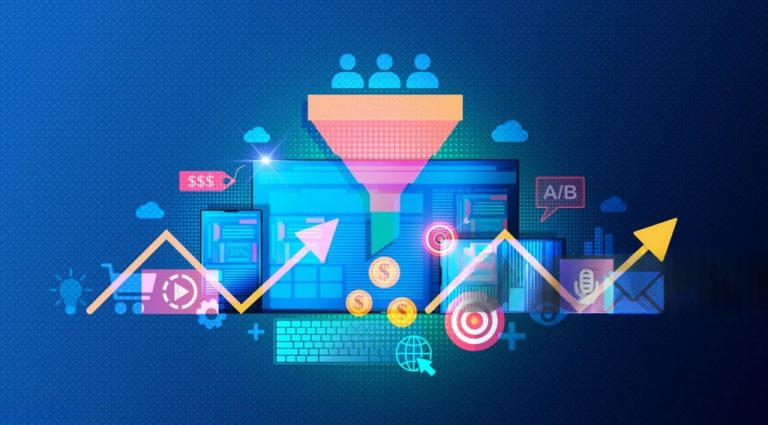
AI’s ability to process and analyse vast datasets allows for unprecedented precision in audience targeting. Gone are the days of broad demographic targeting; by 2026, AI will enable advertisers to pinpoint specific micro-segments of consumers based on intricate behavioural patterns, psychographics, and real-time intent signals. This means ads are shown to individuals who are genuinely interested and most likely to convert, significantly reducing wasted ad spend. Furthermore, AI will optimise ad placement across various channels – from social media to programmatic display and connected TV – identifying the most effective platforms and times for specific messages. This precision ensures that advertising budgets are allocated to yield the highest possible return, making every impression count.
Real-time Bidding and Campaign Optimisation
Programmatic advertising, already a significant part of the US advertising landscape, will be entirely AI-driven by 2026. AI algorithms will execute real-time bidding strategies with incredible speed and accuracy, constantly adjusting bids based on performance metrics, competitor activity, and market conditions. This continuous optimisation ensures that campaigns are always performing at their peak, adapting to changes in consumer behaviour or market dynamics instantaneously. For example, an AI might detect a sudden surge in interest for a particular product category and automatically increase bids on relevant keywords or adjust ad creatives to capitalise on the trend. This dynamic, self-optimising capability will lead to far greater efficiency and effectiveness in advertising campaigns.
Creative Generation and Testing
AI is also making significant inroads into the creative aspects of advertising. By 2026, AI tools will assist in generating diverse ad creatives, including headlines, body copy, images, and even short video snippets. These tools can produce multiple variations at speed, allowing for extensive A/B testing and optimisation. AI can analyse which creative elements resonate most with specific audience segments and then generate new iterations that are more likely to perform well. This iterative process, driven by data, ensures that advertising messages are not only compelling but also highly effective. It allows human creatives to focus on overarching brand narratives and innovative concepts, while AI handles the rapid production and refinement of campaign assets.
Fraud Detection and Brand Safety
As advertising becomes more complex, so do the challenges of ad fraud and ensuring brand safety. AI plays a crucial role in combating these issues. By 2026, AI systems will be highly adept at identifying fraudulent impressions, clicks, and bot traffic in real-time, protecting advertisers from wasted spend. Furthermore, AI will monitor ad placements to ensure they appear in brand-safe environments, preventing association with inappropriate or harmful content. This proactive monitoring and detection capability will build greater trust and transparency within the US advertising ecosystem, providing advertisers with greater peace of mind and more reliable campaign data.
Essential AI Tools for Digital Marketers in 2026
For digital marketers in the United States, staying competitive by 2026 will necessitate a deep understanding and practical application of various AI tools for digital marketers 2026. These tools are not just enhancements; they are becoming fundamental to effective strategy and execution.
Data Analytics and Business Intelligence Platforms
At the core of AI-driven marketing are sophisticated data analytics and business intelligence platforms. By 2026, these tools will move beyond simply presenting data to offering actionable insights and predictive modelling. They will integrate data from every touchpoint – website analytics, CRM, social media, advertising platforms – to provide a holistic view of customer behaviour and campaign performance. AI will identify hidden patterns, correlations, and anomalies that human analysts might miss, allowing marketers to make more informed decisions about strategy, budget allocation, and audience targeting. These platforms will also automate report generation, freeing up valuable time for strategic planning rather than manual data compilation.
Content Generation and SEO Tools
The rise of AI in content creation is undeniable. By 2026, marketers will routinely use AI-powered content generation tools to draft articles, blog posts, social media updates, email copy, and even video scripts. These tools can help overcome writer’s block, generate ideas, and produce content at scale. Crucially, AI will also be integrated into SEO tools, providing real-time recommendations for keyword optimisation, content structure, and technical SEO improvements. For example, an AI SEO tool might analyse competitor content, identify content gaps, and suggest optimal headings and internal linking strategies to improve search engine rankings. This combination of content generation and SEO optimisation will significantly streamline content marketing efforts.
Customer Relationship Management (CRM) with AI
CRM systems are evolving rapidly with AI integration. By 2026, AI-powered CRMs will offer predictive lead scoring, identifying which leads are most likely to convert based on historical data and behavioural signals. They will automate personalised communication sequences, ensuring customers receive relevant messages at the right time. Furthermore, AI will provide sales teams with real-time insights into customer sentiment and potential objections, helping them tailor their approach. For customer service, AI will power intelligent routing of inquiries, suggest optimal responses to agents, and even resolve common issues autonomously, leading to improved customer satisfaction and operational efficiency. This intelligent CRM will be central to managing and nurturing customer relationships effectively.
Social Media Management and Listening Tools
Social media is a vast and dynamic space, and AI is essential for navigating it effectively. By 2026, AI-powered social media management tools will offer advanced sentiment analysis, allowing brands to understand public perception and react quickly to emerging trends or crises. These tools will automate post scheduling, optimise posting times for maximum engagement, and even suggest content ideas based on audience preferences. AI-driven listening tools will monitor conversations across platforms, identifying key influencers, tracking brand mentions, and uncovering consumer insights that can inform broader marketing strategies. This will enable US marketers to maintain a strong, responsive, and data-driven presence across all relevant social channels.
Challenges and Ethical Considerations for AI in US Digital Marketing
While the promise of AI in US digital marketing is substantial, it is equally important to address the challenges and ethical considerations that accompany its widespread adoption. By 2026, navigating these complexities will be as crucial as embracing the technology itself.
Data Privacy and Security
The effectiveness of AI in marketing relies heavily on access to vast amounts of customer data. This raises significant concerns regarding data privacy and security. As AI becomes more sophisticated in collecting and analysing personal information, the risk of data breaches and misuse increases. US marketers must ensure robust security measures are in place and that all data collection and processing comply with evolving privacy regulations such as CCPA and potential federal privacy laws. Transparency with consumers about how their data is used, and providing clear opt-out options, will be paramount to maintaining trust. A failure to address these concerns could lead to significant reputational damage and legal repercussions.
Algorithmic Bias and Fairness
AI systems learn from the data they are fed. If this data contains inherent biases – reflecting societal prejudices or historical inequalities – the AI will perpetuate and even amplify those biases in its decision-making. In digital marketing, this could manifest as discriminatory targeting, unfair pricing, or exclusionary content delivery. For example, an AI trained on biased historical data might inadvertently exclude certain demographics from seeing specific job advertisements or credit offers. By 2026, US marketers must actively work to identify and mitigate algorithmic bias, ensuring their AI systems are fair, equitable, and inclusive. This requires diverse training data, regular auditing of algorithms, and a commitment to ethical AI development.
The Need for Human Oversight
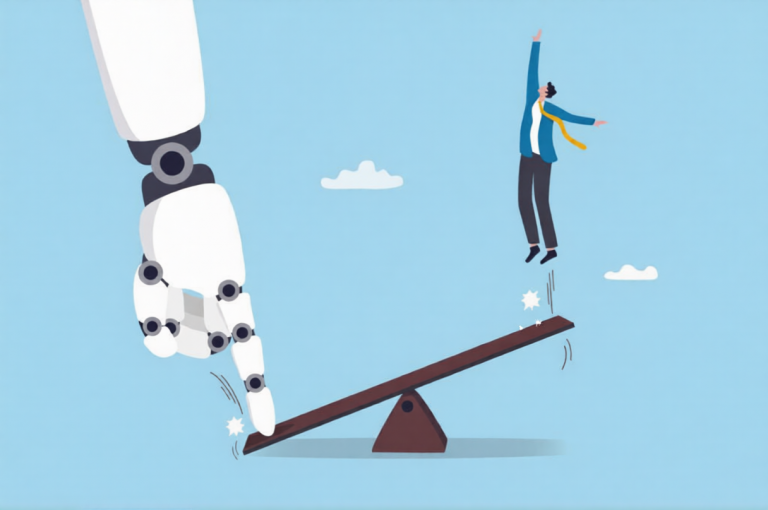
Despite AI’s growing capabilities, human oversight remains indispensable. AI is a tool, not a replacement for human creativity, intuition, and ethical judgment. By 2026, marketers will need to develop new skills in managing and interpreting AI outputs, rather than simply accepting them at face value. Humans are needed to set strategic goals, provide ethical guidance, interpret nuanced data, and intervene when AI systems produce unexpected or undesirable results. Relying solely on AI without human checks and balances could lead to errors, missed opportunities, or even brand damage. The most successful marketing teams will be those where humans and AI collaborate effectively, each bringing their unique strengths to the table.
Regulatory Compliance
The regulatory landscape surrounding AI is still developing, but by 2026, we can expect more stringent guidelines and laws, particularly in the United States. These regulations may cover areas such as data usage, algorithmic transparency, consumer protection, and the ethical implications of AI in advertising. Marketers will need to stay abreast of these changes and ensure their AI strategies and tools are fully compliant. This might involve regular legal reviews, implementing new data governance policies, and adapting AI models to meet specific legal requirements. Proactive engagement with regulatory bodies and industry best practices will be essential to avoid penalties and maintain public trust.
FAQs
What is the primary benefit of AI in US digital marketing by 2026?
The primary benefit will be the ability to achieve unprecedented levels of personalisation and efficiency at scale. AI will enable marketers to deliver highly relevant content and offers to individual consumers, significantly improving engagement and conversion rates, while automating many time-consuming tasks.
Will AI replace human digital marketers in the US by 2026?
No, AI is not expected to replace human digital marketers. Instead, it will augment their capabilities, automating repetitive tasks and providing deeper insights. Marketers will evolve into strategists, creative directors, and ethical overseers, working alongside AI to achieve superior results. The focus will shift from execution to strategic thinking and human connection.
How will small businesses in the US access AI marketing tools by 2026?
By 2026, AI tools will be increasingly accessible and affordable for small businesses. Many platforms will offer AI features as integrated components, often on a subscription basis, democratising access to sophisticated capabilities previously reserved for larger enterprises. User-friendly interfaces will also make these tools easier to implement without extensive technical expertise.
What are the biggest ethical concerns for AI in US digital marketing?
The biggest ethical concerns include data privacy and security, algorithmic bias leading to unfair targeting or outcomes, and the need for transparency in how AI makes decisions. Ensuring responsible AI development and deployment will be critical to maintaining consumer trust and avoiding regulatory issues.
How can marketers prepare for the future of AI in US digital marketing?
Marketers should focus on developing data literacy, understanding AI principles, and embracing a mindset of continuous learning. Experimenting with current AI tools, staying informed about industry trends, and focusing on strategic thinking and creative problem-solving will be key. Consider exploring resources like Why Content Strategy Is A Business Level Decision In Ireland to understand the broader strategic implications.
Further Readings
The Future Of Ai In Digital Marketing In 2026 In The United Kingdom
Digital Marketing Trends Shaping 2026 In The United States Market
Why Content Strategy Is A Business Level Decision In Ireland
Explore The Future of AI in Digital Marketing in 2026 in the United Kingdom: https://lyxity.com/the-future-of-ai-in-digital-marketing-in-2026-in-the-united-kingdom/
Explore Digital Marketing Trends Shaping 2026 in the United States Market: https://lyxity.com/digital-marketing-trends-shaping-2026-in-the-united-states-market/
Explore Why Content Strategy Is a Business-Level Decision in Ireland: https://lyxity.com/why-content-strategy-is-a-business-level-decision-in-ireland/
Conclusion
The trajectory of AI in US digital marketing by 2026 points towards a future where intelligence is deeply embedded in every facet of strategy and execution. We have explored how AI will drive hyper-personalisation, refine predictive analytics, automate content creation, and revolutionise advertising precision. The overarching theme is clear: AI will not merely automate tasks but will act as a powerful co-pilot, providing insights and capabilities that allow marketers to achieve previously unattainable levels of efficiency and effectiveness.
However, this exciting future also comes with responsibilities. Addressing concerns around data privacy, algorithmic bias, and the ongoing need for human oversight will be paramount. Businesses that prioritise ethical AI development and maintain transparency with their customers will build stronger trust and lasting relationships. The successful integration of AI will depend on a balanced approach, combining technological prowess with human creativity and ethical considerations.
For digital marketers in the United States, 2026 represents a pivotal moment. Those who proactively embrace these changes, understand the nuances of AI tools, and adapt their strategies will be best positioned to thrive. The future of AI in digital marketing is not just about adopting new technology; it is about reimagining how we connect with people, build brands, and drive growth in an increasingly intelligent world. To discuss how these advancements can specifically benefit your organisation, consider taking the next step: Book Your FREE Intelligent Content Strategy Session.