The pace of change in digital marketing never slows, and for businesses operating in the United States, staying ahead means anticipating what’s next. As we look towards 2026, a clear understanding of emerging trends isn’t just an advantage; it’s a necessity for sustained growth and market relevance. The landscape of digital engagement is constantly shifting, driven by technological advancements, evolving consumer behaviours, and new regulatory frameworks. For US businesses, this means a continuous need to adapt and innovate their marketing approaches to remain competitive and connect effectively with their target audiences.
This article will explore the significant shifts shaping digital marketing in the US, offering practical guidance on how your business can prepare and thrive amidst these developments. We will delve into the core Digital Marketing Trends Shaping 2026 in the United States Market, examining everything from evolving consumer expectations and their impact on purchasing decisions to the profound influence of artificial intelligence and automation. Our aim is to ensure you’re well-equipped to make informed strategic decisions, positioning your brand for success in the dynamic years ahead. Understanding these trends is not merely about reacting to change, but about proactively shaping your marketing future.
The Evolving US Consumer and Market Dynamics
Understanding the US consumer is the bedrock of any successful marketing strategy. As we approach 2026, the demographic makeup, purchasing habits, and privacy concerns of American consumers are undergoing significant transformations, directly influencing how businesses must approach their marketing efforts. These shifts, coupled with specific economic factors and competitive pressures, set the stage for the digital marketing trends shaping 2026 in the United States market.
Demographic Shifts and Their Marketing Implications
The United States is a melting pot of cultures and generations, each with distinct preferences and digital behaviours. Gen Z and younger Millennials are now dominant forces in the consumer market, bringing with them expectations for authenticity, social responsibility, and seamless digital experiences. These generations are digital natives, accustomed to personalised content and instant gratification. Marketing to them requires a deep understanding of platforms like TikTok, Instagram, and YouTube, where visual storytelling and influencer collaborations often outperform traditional advertising.
Furthermore, the increasing diversity of the US population means that a one-size-fits-all marketing approach is becoming obsolete. Businesses must develop culturally sensitive and inclusive campaigns that resonate with various ethnic groups, language preferences, and socio-economic backgrounds. This demands a more nuanced approach to segmentation and targeting, moving beyond broad demographics to psychographic profiles and behavioural data.
Changing Purchasing Habits and the Omnichannel Imperative
The pandemic accelerated the shift towards e-commerce, but 2026 will see a further refinement of purchasing habits. Consumers now expect a fluid, integrated experience across all touchpoints – whether online, in-store, or via mobile apps. This is the essence of omnichannel marketing. A customer might discover a product on social media, research it on a brand’s website, add it to a cart, then visit a physical store to see it, and finally complete the purchase online with click-and-collect. Businesses that fail to provide this seamless transition risk losing customers to competitors who do.
Subscription models continue to gain traction, not just for streaming services but for everyday goods and specialised products, indicating a consumer preference for convenience and curated experiences. There’s also a growing demand for ethical and sustainable brands. Consumers, particularly younger ones, are increasingly willing to pay a premium for products and services from companies that demonstrate a commitment to social and environmental responsibility. Marketing messages that highlight these values will build stronger connections and loyalty.
Consumer Privacy Regulations and Data Strategy
Perhaps one of the most significant factors influencing the future of digital marketing in America is the evolving landscape of consumer privacy regulations. The California Consumer Privacy Act (CCPA) and its successor, the California Privacy Rights Act (CPRA), along with similar legislation in states like Virginia (VCDPA), Colorado (CPA), Utah (UCPA), and Connecticut (CTDPA), have set a precedent for stricter data protection. These consumer privacy regulations digital marketing US are forcing businesses to rethink their data collection, storage, and usage practices.
The impending deprecation of third-party cookies by major browsers like Chrome further complicates targeting and tracking. This necessitates a pivot towards first-party data strategies, where businesses collect data directly from their customers through interactions, purchases, and website visits. Building trust through transparent data practices and offering clear value in exchange for data will be paramount. Marketers must focus on consent-driven strategies, ensuring consumers understand and agree to how their information is used. This shift is not just about compliance; it’s about building deeper, more trustworthy relationships with customers.
Economic Factors and Competitive Pressures
The US market remains highly competitive, with both established giants and agile start-ups vying for consumer attention. Economic factors such as inflation, interest rates, and consumer spending power will continue to influence marketing budgets and consumer behaviour. Businesses need to be agile, adapting their pricing, promotions, and messaging to reflect the prevailing economic climate.
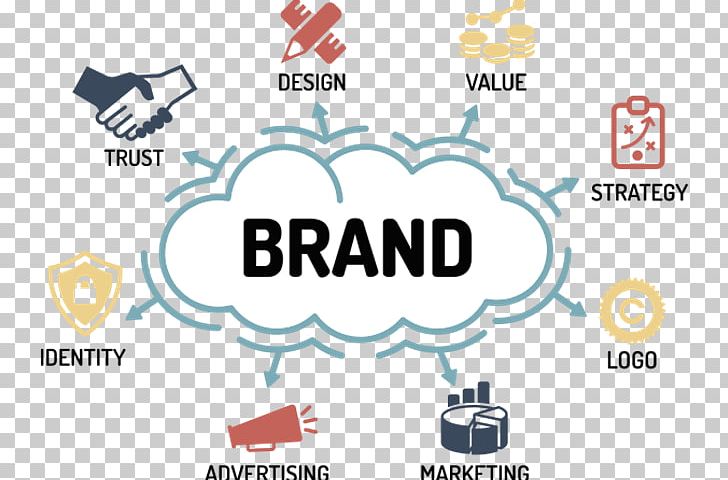
Differentiation through strong branding and unique value propositions will be more important than ever. In a crowded market, simply having a good product is not enough; a compelling brand story and a clear identity are essential for standing out. This involves aligning content and marketing efforts to build a cohesive brand narrative, a principle that holds true across various markets, as seen in discussions around Digital Branding Strategy Aligning Content And Marketing In Trinidad And Tobago.
Artificial Intelligence and Automation: Beyond the Hype
Artificial Intelligence (AI) and automation are no longer futuristic concepts; they are integral components of modern digital marketing. For US businesses looking to stay ahead in 2026, understanding and implementing AI goes beyond theoretical discussions, moving into actionable strategies that enhance efficiency and effectiveness. The integration of AI in US marketing strategies 2026 is set to revolutionise how brands interact with customers, create content, and make data-driven decisions.
Personalised Marketing at Scale
One of AI’s most impactful applications in digital marketing is its ability to deliver hyper-personalised experiences at scale. Traditional segmentation often groups customers into broad categories, but AI can analyse vast amounts of individual data points – browsing history, purchase patterns, demographic information, and real-time behaviour – to create truly unique customer profiles. This allows for:
Dynamic Content Delivery: Websites and emails can automatically adjust their content, imagery, and calls to action based on an individual user’s preferences and past interactions.
Product Recommendations: AI-powered recommendation engines, similar to those used by major e-commerce platforms, can suggest products or services highly relevant to each customer, significantly increasing conversion rates.
Tailored Advertising: AI optimises ad placements and messaging across various platforms, ensuring that the right ad reaches the right person at the right time, leading to more efficient ad spend and better ROI.
This level of personalisation fosters deeper customer engagement and loyalty, making customers feel understood and valued rather than just another data point.
Predictive Analytics for Strategic Advantage
AI’s capacity for predictive analytics is a game-changer for strategic marketing planning. By analysing historical data and identifying patterns, AI can forecast future consumer behaviour, market trends, and campaign performance with remarkable accuracy. This allows businesses to:
Anticipate Customer Needs: Predict which products or services customers are likely to need next, enabling proactive marketing and inventory management.
Identify Churn Risk: Pinpoint customers who are likely to disengage or leave, allowing marketers to intervene with targeted retention campaigns.
Optimise Campaign Performance: Before a campaign even launches, AI can predict its likely success, suggesting adjustments to targeting, messaging, or budget allocation to maximise impact.
Lead Scoring: AI can score leads based on their likelihood to convert, helping sales and marketing teams prioritise their efforts on the most promising prospects.
This forward-looking capability transforms marketing from a reactive function into a proactive, strategic driver of business growth.
AI-Assisted Content Generation and Optimisation
Content remains king, but the demands for fresh, relevant, and high-quality content are ever-increasing. AI is stepping in to assist with content generation, streamlining the creation process and freeing up human marketers for more strategic and creative tasks. AI tools can:
Draft Written Content: Generate initial drafts for blog posts, social media captions, email subject lines, and ad copy, providing a strong starting point for human editors.
Optimise SEO: Analyse keywords, search intent, and competitor content to suggest improvements for search engine optimisation, helping content rank higher.
Personalise Visuals: Create or adapt visual content, such as images and video snippets, to better suit individual user preferences or specific campaign requirements.
While AI can generate content, the human touch remains indispensable for ensuring brand voice, authenticity, and emotional resonance. AI should be viewed as a powerful co-pilot, not a replacement for human creativity. The principles of effective content marketing, such as those discussed in How Content Marketing Improves Online Visibility In The Bahamas In 2026 and Content Marketing And Branding How They Support Each Other In Barbados 2026, are still paramount; AI simply provides tools to execute these strategies more efficiently.
Automated Customer Service and Enhanced Experience
Customer service is a critical touchpoint, and AI-powered automation is transforming how businesses support their customers. Chatbots and virtual assistants are becoming more sophisticated, capable of understanding complex queries and providing accurate, instant responses 24/7. This leads to:
Instant Support: Customers receive immediate answers to common questions, improving satisfaction and reducing wait times.
Efficient Query Resolution: AI can handle routine tasks, freeing up human customer service agents to focus on more complex or sensitive issues that require empathy and nuanced problem-solving.
Personalised Interactions: AI can access customer history to provide more context-aware and personalised support, even before a human agent steps in.
The goal is not to replace human interaction entirely, but to create a more efficient and satisfying customer journey by automating repetitive tasks and providing quick access to information.
Actionable Strategies for US Businesses
For US businesses looking to integrate AI into their marketing strategies for 2026, here are some practical steps:
Start Small and Focus on Pain Points: Identify specific areas where AI can provide immediate value, such as automating email segmentation, optimising ad bids, or enhancing customer service FAQs.
Invest in Data Infrastructure: AI thrives on data. Ensure your data collection, storage, and analysis systems are robust and compliant with privacy regulations.
Train Your Teams: Equip your marketing team with the skills to work alongside AI tools, understanding their capabilities and limitations. The future of digital marketing in America requires a blend of human expertise and AI assistance.
Prioritise Ethical AI Use: Be transparent about AI’s role in your marketing and ensure its use aligns with ethical guidelines and consumer trust.
Frequently Asked Questions
What are the biggest challenges for US digital marketers in 2026?
The biggest challenges include navigating evolving consumer privacy regulations, adapting to the deprecation of third-party cookies, managing the increasing demand for personalised experiences, and effectively integrating AI while maintaining brand authenticity and human connection.
How can small businesses compete with larger corporations in the 2026 digital marketing landscape?
Small businesses can compete by focusing on niche markets, building strong community engagement, leveraging local SEO, prioritising first-party data to create highly personalised experiences, and using AI tools to automate tasks and optimise campaigns efficiently, allowing them to do more with less.
Is content marketing still relevant with the rise of AI-generated content?
Absolutely. While AI can assist in content generation, human-created content that offers unique perspectives, deep insights, and authentic brand voice will be more valuable than ever. AI should be seen as a tool to enhance content creation and distribution, not replace the strategic thinking and creativity of human marketers. Quality, relevance, and authenticity will continue to drive engagement.
Further Reading
Explore How Content Marketing Improves Online Visibility in the Bahamas in 2026: https://lyxity.com/how-content-marketing-improves-online-visibility-in-the-bahamas-in-2026/
Explore Content Marketing and Branding: How They Support Each Other in Barbados (2026): https://lyxity.com/content-marketing-and-branding-how-they-support-each-other-in-barbados-2026/
Explore Digital Branding Strategy: Aligning Content and Marketing in Trinidad and Tobago: https://lyxity.com/digital-branding-strategy-aligning-content-and-marketing-in-trinidad-and-tobago/