Many businesses invest heavily in online marketing, yet often find their efforts don’t translate into tangible results. Generating website traffic is one thing, but converting that traffic into paying customers requires a well-thought-out approach, a clear blueprint that guides every action. Without a structured plan, marketing spend can quickly become a drain rather than an investment, leaving business owners frustrated and questioning the value of their digital presence.
The challenge isn’t just about being visible online; it’s about being visible to the right people, at the right time, with the right message, and then guiding them seamlessly towards a desired action. This isn’t a task for guesswork or sporadic campaigns. It demands a strategic framework that aligns every marketing activity with specific business objectives, ensuring that each click, impression, and interaction moves a potential customer closer to becoming a loyal client.
This article will provide a clear, actionable blueprint for a converting online marketing strategy. We will explore the fundamental components required to not only attract attention but to transform that attention into measurable business growth. From understanding your ideal customer to meticulously tracking your performance, we’ll cover the essential steps to help you build an online marketing strategy that truly converts, turning your digital efforts into a powerful engine for success.
Laying the Groundwork: Defining Your Audience and Objectives
Before you even consider which platforms to use or what content to create, the absolute first step in how to create an online marketing plan that converts is to deeply understand who you are trying to reach and what you aim to achieve. Without this foundational clarity, all subsequent efforts will lack direction and impact.
Understanding Your Ideal Customer: The Buyer Persona
Imagine trying to sell a product without knowing who would buy it. It sounds absurd, yet many businesses approach online marketing this way. A converting strategy begins with a detailed understanding of your ideal customer, often encapsulated in a ‘buyer persona’. This isn’t just about basic demographics; it’s about delving into their psychographics, behaviours, pain points, aspirations, and how they make purchasing decisions. Ask yourself:
Who are they? Age, gender, location, occupation, income level.
What are their challenges? What problems do they face that your product or service can solve?
What are their goals? What do they hope to achieve?
Where do they spend time online? Which social media platforms, forums, or websites do they frequent?
How do they research solutions? Do they read blogs, watch videos, ask for recommendations?
What influences their decisions? Price, quality, reviews, brand reputation?
Creating 2-3 detailed personas will allow you to tailor your messaging, content, and advertising efforts with precision, ensuring that your marketing speaks directly to the individuals most likely to convert.
Setting Clear, Measurable Objectives
Once you know who you’re talking to, you need to define what success looks like. Vague goals like ‘get more sales’ are insufficient. Your objectives must be Specific, Measurable, Achievable, Relevant, and Time-bound (SMART). For an online marketing strategy to convert, you need to know what ‘conversion’ means for your business at each stage.
Specific: Instead of ‘increase website traffic’, aim for ‘increase organic website traffic by 20%’.
Measurable: How will you track progress? (e.g., number of leads, sales revenue, email sign-ups).
Achievable: Are your goals realistic given your resources and market conditions?
Relevant: Do these goals align with your overall business objectives?
Time-bound: Set a deadline (e.g., ‘within the next six months’).
Examples of converting objectives might include: increasing qualified lead generation by 15% in Q3, achieving a 5% conversion rate on a specific landing page, or reducing customer acquisition cost by 10% over the next year. These clear objectives will serve as your compass, guiding every decision and allowing you to effectively measure online marketing campaign effectiveness later on.
Competitor Analysis: Learning from the Field
Finally, before diving into execution, take time to analyse your competitors. What are they doing well? Where are their weaknesses? What keywords are they ranking for? Which advertising channels are they using? This analysis isn’t about copying; it’s about identifying opportunities, understanding market gaps, and finding ways to differentiate your own approach. By understanding the competitive landscape, you can refine your unique selling proposition and position your online marketing strategy for maximum impact and conversion.
Crafting Compelling Content: The Heart of Your Strategy
With your audience and objectives firmly established, the next critical step in building an online marketing strategy that converts is to develop a robust content strategy. Content is the vehicle through which you communicate with your audience, build trust, demonstrate expertise, and ultimately guide them towards a purchase. It’s not just about writing blog posts; it’s about creating valuable, relevant, and consistent material that resonates with your buyer personas at every stage of their journey.
Content Pillars and Formats
Your content strategy should be built around ‘content pillars’ – core themes or topics that are central to your business and relevant to your audience’s needs. These pillars will ensure consistency and depth across all your content efforts. Within these pillars, you’ll utilise various formats:
Blog Posts and Articles: Ideal for educating, informing, and addressing specific pain points. They are excellent for attracting organic search traffic.
Videos: Highly engaging, videos can explain complex topics, offer product demonstrations, or tell compelling brand stories.
Infographics: Visually appealing, they simplify data and make information digestible, perfect for sharing on social media.
Case Studies and Testimonials: Powerful for building social proof and demonstrating real-world results, directly addressing conversion-stage concerns.
Whitepapers and E-books: Long-form, in-depth content that positions you as an authority and serves as excellent lead magnets.
Podcasts: Offer an alternative consumption method, allowing your audience to engage with your content on the go.
The choice of format should always be dictated by your audience’s preferences and the specific goal of the content piece. For instance, a small business looking to explain a complex service might find a short, animated video more effective than a lengthy text explanation.
Content Mapping to the Buyer’s Journey
A truly converting online marketing strategy understands that different content serves different purposes depending on where a potential customer is in their decision-making process. This is known as content mapping:
Awareness Stage: At this point, the customer is experiencing a problem or need and is looking for information. Your content should be educational, problem-focused, and non-promotional. Examples: blog posts like ‘5 Signs You Need X’, ‘Understanding the Benefits of Y’, or general informational videos.
Consideration Stage: The customer has identified their problem and is now researching potential solutions. Your content should offer solutions, compare options, and highlight your expertise. Examples: ‘How-to’ guides, comparison articles, expert interviews, webinars, or detailed product feature explanations.
Decision Stage: The customer is ready to make a purchase and is evaluating specific vendors. Your content needs to build trust and provide the final push. Examples: case studies, testimonials, product demos, free trials, consultations, pricing guides, or special offers.
By aligning your content with these stages, you ensure that you are providing the right information at the right time, guiding your audience naturally through the sales funnel. This strategic approach to content is fundamental to any content marketing for businesses your practical starter guide would recommend, ensuring every piece of content contributes to conversion.
Mastering Search Engine Optimisation (SEO) for Visibility
Creating exceptional content is only half the battle; people need to find it. This is where Search Engine Optimisation (SEO) becomes indispensable for a converting online marketing strategy. SEO is the practice of increasing the quantity and quality of traffic to your website through organic search engine results. It’s about making your content discoverable to your target audience when they are actively searching for solutions you provide.
Strategic Keyword Research
The foundation of effective SEO is thorough keyword research. This involves identifying the words and phrases your target audience uses when searching for information related to your products or services. Crucially, you need to focus on ‘intent-based’ keywords – those that indicate a user’s intention to learn, compare, or buy. For example, someone searching for ‘best running shoes for flat feet’ is likely further along in their buying journey than someone searching for ‘types of running shoes’.
Short-tail keywords: Broad terms (e.g., ‘marketing strategy’). High volume, high competition.
Long-tail keywords: Specific phrases (e.g., ‘how to build a converting online marketing strategy for small business’). Lower volume, lower competition, higher conversion potential due to specific intent.
Tools like Google Keyword Planner, Ahrefs, or SEMrush can help you identify relevant keywords, analyse their search volume, and assess their competitive landscape. Integrating these keywords naturally into your content is vital, ensuring your articles, product pages, and service descriptions are optimised for search engines.
On-Page SEO: Optimising Your Content and Structure
On-page SEO refers to all the optimisations you can make directly on your website pages. This includes:
Title Tags and Meta Descriptions: These are the snippets that appear in search results. They should be compelling, include your primary keyword, and encourage clicks.
Header Tags (H1, H2, H3): Structuring your content with clear headings improves readability for users and helps search engines understand your content’s hierarchy and main topics.
High-Quality Content: Search engines prioritise content that is comprehensive, authoritative, and truly answers user queries. This reinforces the importance of your content strategy.
Image Optimisation: Using descriptive alt text for images helps search engines understand their content and improves accessibility.
Internal Linking: Linking to other relevant pages within your website helps distribute ‘link equity’ and guides users to more related content, keeping them on your site longer.
For a deeper dive into how content and SEO work together, you might find Content Marketing And Seo How They Work Together particularly insightful.
Technical SEO: Ensuring Your Site is Search Engine Friendly
Beyond the content itself, the technical health of your website plays a significant role in its search engine ranking. Key technical SEO considerations include:
Site Speed: A slow website frustrates users and can lead to higher bounce rates, negatively impacting your rankings. Optimise images, leverage browser caching, and consider a fast hosting provider.
Mobile-Friendliness: With the majority of internet users accessing content on mobile devices, a responsive website design is no longer optional; it’s a necessity.
Crawlability and Indexability: Ensure search engine bots can easily access and understand your website’s content. This involves having a well-structured site map and avoiding broken links or duplicate content issues.
Secure Sockets Layer (SSL): Having an HTTPS certificate is a ranking factor and builds trust with your visitors.
Off-Page SEO: Building Authority and Trust
Off-page SEO refers to activities done outside of your website to improve its search engine ranking. The most prominent factor here is backlinks – links from other reputable websites pointing to yours. Backlinks act as ‘votes of confidence’ for search engines, indicating that your content is valuable and trustworthy. Strategies for acquiring quality backlinks include:
Creating exceptional, shareable content that others naturally want to link to.
Guest posting on relevant industry blogs.
Building relationships with influencers and other businesses in your niche.
For more detailed answers to common SEO questions, consider reading Answering Your Top 10 Questions About Search Engine Optimisation Seo. By meticulously addressing both on-page and off-page SEO, you significantly increase your chances of ranking higher in search results, driving more qualified traffic, and ultimately, more conversions.
Strategic Paid Advertising: Accelerating Your Reach
While organic SEO builds long-term, sustainable traffic, paid advertising offers an immediate and highly targeted way to accelerate your reach and drive conversions. For many businesses, especially those looking for quick wins or operating in competitive niches, paid advertising is one of the best online marketing strategies for small business to generate leads and sales quickly. It allows you to put your message directly in front of your ideal customer, often at the precise moment they are looking for a solution.
Platform Selection: Where Does Your Audience Live?
The first step in any paid advertising campaign is choosing the right platform. This decision should be heavily influenced by your buyer personas and where they spend their time online:
Google Ads (Search & Display): Ideal for capturing demand. Search ads appear when users actively search for specific keywords, making them highly effective for conversion-focused campaigns. Display ads offer broader reach across websites and apps, suitable for brand awareness and remarketing.
Social Media Advertising (Facebook, Instagram, LinkedIn, X, TikTok): Excellent for creating demand and precise audience targeting. Platforms like Facebook and Instagram allow for incredibly granular targeting based on demographics, interests, behaviours, and even custom audiences (e.g., website visitors, email lists). LinkedIn is powerful for B2B marketing, while TikTok appeals to younger demographics.
YouTube Ads: Leverage the power of video to engage audiences, often at various stages of the buying funnel.
For a small business with a limited budget, starting with one or two platforms where your audience is most active and your product/service fits best is often the most effective approach.
Precision Targeting: Reaching the Right People
The true power of paid advertising lies in its targeting capabilities. Unlike traditional advertising, you can specify exactly who sees your ads, minimising wasted spend and maximising relevance. This includes:
Demographic Targeting: Age, gender, location, income, education.
Interest-Based Targeting: Users interested in specific topics, hobbies, or brands.
Behavioural Targeting: Users who have exhibited certain online behaviours (e.g., recently purchased a car, frequently travel).
Custom Audiences/Lookalikes: Uploading your existing customer lists or website visitor data to create highly relevant audiences, or finding new users who share similar characteristics.
Remarketing/Retargeting: Showing ads specifically to people who have previously interacted with your website or content but haven’t converted. This is incredibly effective for nudging prospects further down the funnel.
Effective targeting ensures your ad spend is directed towards those most likely to convert, making your online marketing strategy far more efficient.
Compelling Ad Copy and Creatives
Even with perfect targeting, your ads won’t convert if they don’t capture attention and convey value. Your ad copy and visuals must be:
Clear and Concise: Get straight to the point, highlighting the main benefit or solution.
Benefit-Oriented: Focus on what the customer gains, not just product features.
Emotionally Engaging: Connect with your audience’s pain points or aspirations.
Visually Appealing: High-quality images or videos that stand out in a crowded feed.
Strong Call to Action (CTA): Tell people exactly what you want them to do next (e.g., ‘Shop Now’, ‘Learn More’, ‘Get a Quote’).
Budgeting and Bidding Strategies
Managing your budget effectively is crucial. Paid advertising platforms offer various bidding strategies (e.g., cost-per-click, cost-per-impression, cost-per-conversion). Understanding these and choosing the right one for your objectives is key. Start with a smaller budget, test different ad sets and creatives, and then scale up what works. Continuously monitor your Cost Per Acquisition (CPA) and Return on Ad Spend (ROAS) to ensure your campaigns remain profitable and contribute positively to your overall conversion goals.
Building a Conversion Funnel That Works
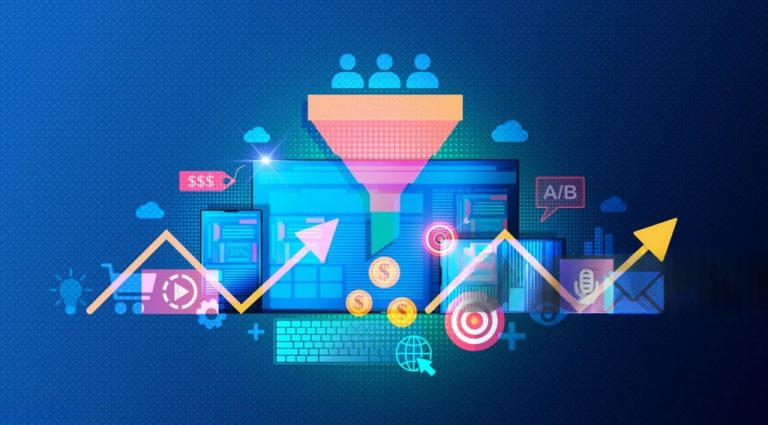
Attracting traffic, whether through organic search or paid ads, is merely the first step. The true test of an online marketing strategy is its ability to guide that traffic through a structured path, transforming curious visitors into committed customers. This path is known as the conversion funnel, and optimising each stage is paramount for a strategy that truly converts.
Mapping the Customer Journey: Awareness to Decision
A well-designed conversion funnel mirrors the customer’s journey, typically broken down into three main stages:
Awareness: The customer becomes aware of a problem or need. Your goal here is to attract attention and provide initial information.
Consideration: The customer is researching solutions and evaluating options. Your goal is to educate them on your offerings and demonstrate your value.
Decision: The customer is ready to make a purchase. Your goal is to provide the final push and make the transaction as smooth as possible.
Each stage requires different content, different calls to action, and different touchpoints. For example, an awareness-stage visitor might be directed to a blog post, while a decision-stage visitor should be guided to a product page or a consultation booking form.
Landing Page Optimisation (LPO)
Landing pages are critical conversion points. These are standalone web pages designed specifically to capture a visitor’s information or prompt a specific action, often after clicking an ad or a link from an email. An effective landing page is:
Clear and Focused: One primary goal, one clear call to action. Avoid distractions like extensive navigation menus.
Compelling Headline: Immediately communicates the main benefit or offer.
Persuasive Copy: Highlights benefits, addresses pain points, and builds trust.
High-Quality Visuals: Relevant images or videos that support the message.
Trust Signals: Testimonials, reviews, security badges, privacy policy links.
Optimised Forms: Only ask for necessary information, keep them short and easy to complete.
Mobile-Responsive: Ensures a seamless experience on any device.
Even small changes to a landing page can significantly impact conversion rates, making LPO a continuous process of testing and refinement.
User Experience (UX) and Website Design
Beyond specific landing pages, the overall user experience of your website profoundly impacts conversion. A frustrating or confusing website will quickly deter potential customers. Key UX elements include:
Intuitive Navigation: Visitors should easily find what they’re looking for.
Fast Loading Times: Every second counts. Slow pages lead to high bounce rates.
Clear Calls to Action: Buttons and links should be prominent and descriptive.
Accessibility: Ensure your site is usable by everyone, including those with disabilities.
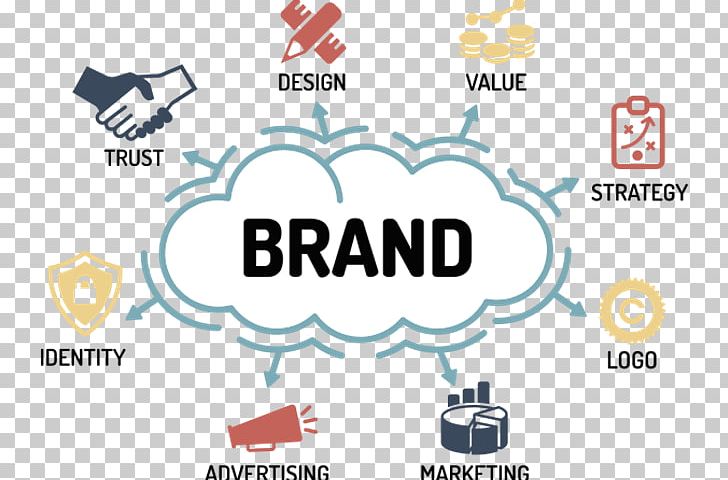
Consistent Branding: A professional and cohesive look builds trust.
A smooth, enjoyable user experience reduces friction in the conversion process, making it easier for visitors to take the desired action.
Lead Magnets: Offering Value for Information
Not every visitor is ready to buy immediately. For those in the awareness or consideration stages, a ‘lead magnet’ can be an incredibly effective tool for capturing their contact information and moving them into your nurturing funnel. A lead magnet is a valuable piece of content or an offer given away for free in exchange for an email address or other contact details. Examples include:
Free e-books or whitepapers
Exclusive checklists or templates
Webinar recordings or online courses
Free consultations or demos
Discount codes or free samples
The key is to offer something genuinely valuable to your target audience, something that addresses a specific pain point or helps them achieve a goal. Once you have their contact information, you can begin the process of nurturing them towards a conversion.
Nurturing Leads with Email Marketing
Once you’ve successfully attracted visitors and captured their contact information, the journey isn’t over; it’s just beginning. Email marketing is one of the most powerful and cost-effective channels for nurturing leads, building relationships, and driving repeat conversions. It allows for direct, personalised communication, keeping your brand top-of-mind and guiding prospects further down the sales funnel at their own pace.
Segmentation: Personalisation is Key
One of the biggest mistakes in email marketing is sending the same message to everyone. Effective email marketing relies heavily on segmentation – dividing your email list into smaller groups based on shared characteristics or behaviours. This allows for highly personalised communication, which significantly boosts engagement and conversion rates. You might segment your audience by:
Demographics: Age, location, industry.
Purchase History: Past buyers, specific product interests.
Engagement Level: Active subscribers, inactive subscribers.
Lead Magnet Downloaded: Tailoring follow-up content based on their initial interest.
Website Behaviour: Pages visited, items added to cart (but not purchased).
By sending relevant content to specific segments, you demonstrate that you understand their needs, making your emails more valuable and less likely to be ignored.
Automated Email Sequences: The Power of Drip Campaigns
Automated email sequences, also known as drip campaigns, are pre-written series of emails sent to subscribers based on specific triggers (e.g., signing up for a newsletter, downloading a lead magnet, abandoning a cart). These sequences are crucial for nurturing leads efficiently and consistently:
Welcome Series: Introduce new subscribers to your brand, share your story, and highlight your value proposition.
Educational Drip Campaigns: Provide valuable content related to their initial interest, positioning you as an expert and building trust over time.
Onboarding Sequences: Guide new customers through using your product or service, ensuring they get the most value and reduce churn.
Abandoned Cart Reminders: Prompt users who left items in their shopping cart to complete their purchase, often with a gentle reminder or a small incentive.
Re-engagement Campaigns: Target inactive subscribers to bring them back into the fold.
These automated flows ensure that every lead receives timely, relevant communication without constant manual effort, making your online marketing strategy scalable and highly effective for conversion.
Value-Driven Content, Not Just Sales Pitches
While the ultimate goal is conversion, every email shouldn’t be a direct sales pitch. Your email marketing strategy should focus on providing consistent value. This means sharing:
Helpful tips and advice
Industry insights and trends
Exclusive content (e.g., early access to blog posts, behind-the-scenes glimpses)
Customer success stories
Relevant product updates or new features
By consistently offering value, you build a relationship of trust and authority with your subscribers. When you do send a promotional email, it will be received by an audience that already trusts your brand and is more receptive to your offers.
Clear Calls to Action (CTAs)
Every email should have a clear purpose and a single, prominent call to action. Whether it’s ‘Read the Full Article’, ‘Shop Now’, ‘Book a Demo’, or ‘Download Your Free Guide’, make it obvious what you want the recipient to do next. Use compelling language and visually distinct buttons to guide their action. A well-crafted email, combined with strategic segmentation and automation, transforms your email list into a powerful conversion engine.
Measuring, Analysing, and Iterating: The Cycle of Improvement
A truly converting online marketing strategy is never static. It’s a dynamic, evolving system that requires continuous monitoring, analysis, and refinement. The ability to measure online marketing campaign effectiveness is not just about reporting numbers; it’s about understanding what those numbers mean, identifying areas for improvement, and making data-driven decisions to optimise for better results. This iterative process is what separates successful strategies from those that stagnate.
Defining Key Performance Indicators (KPIs)
Before you can measure, you need to know what to measure. KPIs are specific, quantifiable metrics that indicate how effectively you are achieving your business objectives. For a converting online marketing strategy, key KPIs often include:
Website Traffic: Not just total visitors, but also sources (organic, paid, social, direct) and new vs. returning visitors.
Conversion Rate: The percentage of visitors who complete a desired action (e.g., purchase, lead form submission, sign-up). This is arguably the most critical KPI for a ‘converting’ strategy.
Cost Per Acquisition (CPA): The average cost to acquire one new customer. Essential for evaluating the profitability of paid campaigns.
Return on Ad Spend (ROAS): The revenue generated for every pound spent on advertising.
Lead-to-Customer Rate: The percentage of leads that ultimately become paying customers.
Customer Lifetime Value (CLTV): The total revenue a business can expect from a single customer account over the duration of their relationship. This helps justify higher acquisition costs if customers are highly valuable long-term.
Bounce Rate: The percentage of visitors who leave your site after viewing only one page. A high bounce rate can indicate poor content relevance or user experience.
Engagement Metrics: Time on page, pages per session, social media interactions.
Focusing on a few core KPIs that directly relate to your SMART objectives will prevent data overload and provide clear insights into performance.
Leveraging Analytics Tools
To track these KPIs, you need robust analytics tools. Google Analytics is a fundamental tool for website performance, offering deep insights into user behaviour, traffic sources, and conversion paths. Other tools include:
CRM Systems: For tracking lead progression, sales pipeline, and customer interactions.
Email Marketing Platforms: For open rates, click-through rates, and conversion rates of email campaigns.
Paid Ad Platform Analytics: Google Ads, Facebook Ads Manager, etc., provide detailed data on ad performance.
Heatmapping and Session Recording Tools: Tools like Hotjar can show you exactly how users interact with your website, revealing friction points.
Regularly reviewing these dashboards and reports is not a passive activity; it requires active interpretation to understand the ‘why’ behind the numbers.
Reporting and Interpretation: What Do the Numbers Mean?
Raw data alone isn’t enough. The real value comes from interpreting the data to uncover actionable insights. For example, if your conversion rate on a specific landing page is low, you need to investigate why. Is the call to action unclear? Is the offer not compelling enough? Is there a technical issue? If a particular ad campaign has a high CPA, can you refine the targeting, improve the ad creative, or adjust the bidding strategy?
Regular reporting meetings, where key stakeholders review performance against objectives, are essential. These discussions should focus on:
What worked well and why?
What didn’t work and why?
What are the opportunities for improvement?
What specific actions will be taken next?
A/B Testing and Optimisation: Continuous Refinement
Iteration is the cornerstone of an effective online marketing strategy. A/B testing (or split testing) involves creating two versions of a marketing asset (e.g., a landing page, an email subject line, an ad creative) and showing them to different segments of your audience to see which performs better. This scientific approach allows you to make incremental improvements based on real user data.
Areas to A/B test include:
Headlines and body copy
Calls to action (text, colour, placement)
Images and videos
Form fields
Email subject lines and sender names
Ad creatives and targeting parameters
By embracing this cycle of measuring, analysing, and iterating, you ensure your online marketing strategy is constantly adapting, improving, and ultimately, converting more effectively over time. It’s a commitment to ongoing optimisation that truly drives sustainable growth.
Frequently Asked Questions (FAQs)
What’s the most important first step in building a converting online marketing strategy?
The absolute most important first step is to deeply understand your target audience and clearly define your business objectives. Without knowing who you’re trying to reach and what specific outcomes you want to achieve, any marketing efforts will lack direction and are unlikely to convert effectively. This foundational work informs every subsequent decision, from content creation to platform selection.
How long does it take to see results from an online marketing strategy?
The timeline for seeing results can vary significantly depending on the strategies employed and the industry. Organic strategies like SEO often take 3-6 months (or even longer for highly competitive keywords) to show significant results, as search engines need time to crawl, index, and rank your content. Paid advertising, on the other hand, can generate immediate traffic and conversions, often within days or weeks, though optimising campaigns for profitability still takes time. Consistent effort and patience are key, especially for long-term growth.
Can a small business truly compete with larger companies in online marketing?
Absolutely. While larger companies may have bigger budgets, small businesses often have the advantage of agility, niche focus, and a more personal connection with their audience. By focusing on highly specific buyer personas, targeting long-tail keywords, and excelling in customer service and unique value propositions, small businesses can carve out significant market share. Effective local SEO, community engagement, and leveraging the best online marketing strategies for small business tailored to their specific strengths can yield excellent conversion rates without needing a massive budget.
How often should I review and adjust my online marketing strategy?
Your online marketing strategy should be a living document, not a static plan. You should review your KPIs and campaign performance at least monthly, if not weekly for active campaigns. A more comprehensive review and adjustment of the overall strategy should happen quarterly or bi-annually. The digital world changes rapidly, so continuous monitoring and adaptation are essential to maintain effectiveness and ensure your strategy continues to convert.
Further Readings
Explore Content Marketing and SEO: How They Work Together: https://lyxity.com/content-marketing-and-seo-how-they-work-together/
Explore Content Marketing for Businesses: Your Practical Starter Guide: https://lyxity.com/content-marketing-for-businesses-your-practical-starter-guide/
Explore Answering Your Top 10 Questions About Search Engine Optimisation (SEO): https://lyxity.com/answering-your-top-10-questions-about-search-engine-optimisation-seo/