The way businesses connect with customers is constantly changing, evolving at a pace that demands constant attention and adaptation. Artificial intelligence (AI) is now a significant part of this shift, offering new and powerful ways to understand and engage audiences with unprecedented precision. For years, marketers have sought more effective methods to reach the right people with the right message at the right time. Traditional approaches, while foundational, often relied on broad strokes, demographic generalisations, and retrospective analysis of past campaigns.
However, the sheer volume of data generated daily across countless digital touchpoints, coupled with the increasing sophistication of computational power, has opened doors to capabilities previously confined to science fiction. AI, at its core, refers to computer systems capable of performing tasks that typically require human intelligence, such as learning from experience, problem-solving, and making informed decisions. In the context of digital marketing, this translates into machines that can analyse vast datasets, identify intricate patterns, predict consumer behaviour with remarkable accuracy, and even generate compelling content, all with a speed and scale impossible for human teams alone.
Understanding AI in digital marketing is no longer an option but a fundamental necessity for any business aiming for sustained growth, competitive advantage, and long-term relevance. It’s about moving beyond guesswork and intuition, towards data-driven precision that can redefine customer relationships and marketing effectiveness. This article will explore what AI means for digital marketing, covering its practical applications, the accessible tools available, and, crucially, what businesses need to know to stay competitive and thrive in this evolving environment. We will delve into the specifics of how AI is reshaping various aspects of marketing, from content creation and search engine optimisation to advertising and customer service, and consider the strategic implications for businesses of all sizes.
Understanding AI in Digital Marketing: What Businesses Need to Know
To truly grasp the impact of AI on marketing, businesses must first understand its fundamental components and how they apply to the commercial world. At its heart, AI in digital marketing is about using intelligent algorithms and machine learning models to process and interpret large quantities of data, automating tasks, and providing actionable insights that improve marketing outcomes. It’s not about replacing human creativity or strategic thinking, but rather augmenting them with data-driven capabilities.
The Core Pillars of AI in Marketing
Machine Learning (ML):
This is perhaps the most critical aspect. ML algorithms allow systems to learn from data without being explicitly programmed. In marketing, this means an AI can analyse past campaign performance, customer interactions, and market trends to predict future behaviour, optimise ad spend, or personalise content. For example, an ML model can identify which customer segments are most likely to convert based on their browsing history and previous purchases.
Natural Language Processing (NLP):
NLP enables computers to understand, interpret, and generate human language. This is invaluable for analysing customer feedback, social media comments, and reviews to gauge sentiment. It also powers chatbots for customer service and assists in generating marketing copy, headlines, and even full articles, significantly speeding up content creation processes.
Predictive Analytics:
By analysing historical data, AI can forecast future trends and customer actions. This allows marketers to anticipate demand, identify potential churn risks, and proactively tailor offers, moving from reactive marketing to a much more proactive and strategic approach.
Computer Vision:
While less common in traditional digital marketing, computer vision is gaining traction. It allows AI to interpret images and videos, which can be used for visual search, analysing user engagement with visual content, or even moderating user-generated content for brand safety.
For businesses, understanding these pillars means recognising that AI isn’t a single tool but a collection of technologies that can be applied across various marketing functions. It’s about seeing AI as a powerful assistant that can handle the heavy lifting of data analysis and repetitive tasks, freeing up human marketers to focus on strategy, creativity, and building genuine customer relationships. The ability of AI to process and make sense of vast datasets is what truly sets it apart, allowing for a level of personalisation and efficiency that was previously unattainable. This shift requires a fundamental rethink of Marketing Strategy Vs Marketing Tactics Key Differences, as AI often blurs the lines between the two, automating tactics while informing strategy.
How AI Transforms Digital Marketing Operations
The integration of AI is fundamentally reshaping nearly every facet of digital marketing, moving beyond simple automation to truly redefine how businesses interact with their audiences. This transformation is not just about efficiency; it’s about achieving a level of precision and personalisation that was previously unimaginable, directly addressing how AI transforms digital marketing.
Personalisation at Scale
One of the most significant impacts of AI is its ability to deliver hyper-personalised experiences to individual customers. Gone are the days of one-size-fits-all marketing messages. AI algorithms analyse vast amounts of customer data – including browsing history, purchase patterns, demographic information, and real-time behaviour – to create highly specific customer profiles. This allows businesses to:
Tailor Content Recommendations: Think of streaming services suggesting films you might like, or e-commerce sites showing products relevant to your recent searches. AI powers these recommendations, increasing engagement and conversion rates.
Customise Email Campaigns: AI can segment email lists with incredible granularity, sending different subject lines, content, and offers to various groups based on their predicted preferences and likelihood to respond.
Dynamic Website Experiences: Websites can dynamically change their layout, product displays, and calls to action based on an individual visitor’s profile and behaviour, creating a unique journey for each user.
Enhanced Content Creation and Curation
AI is becoming an indispensable ally in the demanding world of content marketing. It can significantly streamline the creation process and ensure content resonates with the target audience. For businesses looking to refine their Content Marketing Strategies That Actually Work, AI offers powerful assistance:
Automated Content Generation: AI tools can generate various forms of content, from product descriptions and social media posts to basic news articles and email copy. While human oversight remains crucial for quality and brand voice, AI can produce first drafts or variations at speed.
Topic Identification and Trend Analysis: AI can analyse search trends, social media discussions, and competitor content to identify popular topics and content gaps, helping marketers create content that is highly relevant and likely to perform well.
Content Optimisation: AI can suggest improvements to existing content for better readability, SEO performance, and audience engagement, analysing factors like keyword density, sentiment, and sentence structure.
Optimised Search Engine Optimisation (SEO)
SEO is a complex and ever-changing field, but AI is providing new ways to stay ahead. AI algorithms are now integral to how search engines rank content, and marketers can use AI to understand and adapt to these changes:
Keyword Research and Analysis: AI tools can identify long-tail keywords, analyse search intent, and predict keyword performance with greater accuracy than traditional methods.
Competitor Analysis: AI can monitor competitor SEO strategies, identifying their top-performing content, backlinks, and keyword rankings, providing actionable insights for your own strategy.
Technical SEO Audits: AI-powered tools can quickly scan websites for technical issues that hinder search performance, such as broken links, slow loading times, and indexing problems.
Smarter Advertising and Ad Optimisation
AI has revolutionised paid advertising, making campaigns more efficient and effective:
Targeting and Segmentation: AI can identify the most receptive audiences for ads based on complex behavioural patterns, demographics, and psychographics, leading to higher click-through rates and conversions.
Bid Management and Budget Optimisation: AI algorithms can automatically adjust ad bids in real-time across various platforms (e.g., Google Ads, social media) to maximise return on investment, allocating budget to the best-performing ads and channels.
Creative Optimisation: AI can test different ad creatives (images, headlines, copy) simultaneously, identifying which combinations perform best with specific audience segments and making real-time adjustments.
Enhanced Customer Service and Engagement
AI-powered tools are transforming how businesses interact with their customers, providing faster, more consistent, and more personalised support:
Chatbots and Virtual Assistants: These AI tools can handle a significant volume of customer queries, providing instant answers to frequently asked questions, guiding users through processes, and even resolving basic issues, freeing up human agents for more complex problems.
Sentiment Analysis: AI can analyse customer communications (emails, social media, chat logs) to gauge sentiment, allowing businesses to quickly identify dissatisfied customers and intervene proactively.
Personalised Support: By accessing customer history and preferences, AI can help human agents provide more tailored and effective support, improving customer satisfaction and loyalty.
The overarching theme is that AI allows marketers to work smarter, not just harder. It provides the data-driven clarity needed to make informed decisions, automate repetitive tasks, and deliver truly impactful marketing experiences. For any business looking to refine its approach, considering a Digital Marketing Strategy A Step By Step Guide that incorporates AI is now essential.
Practical AI Marketing Tools for Small Businesses
While the discussion around AI often conjures images of large corporations with vast resources, the reality is that many powerful AI marketing tools for small business are now readily available and surprisingly affordable. These tools are designed to democratise access to AI capabilities, allowing smaller enterprises to compete more effectively and operate with greater efficiency. The key is to identify solutions that address specific marketing challenges without requiring extensive technical expertise or a huge budget.
Accessible AI Tools for Everyday Marketing Tasks
Content Creation Assistants: Tools like Jasper, Copy.ai, or Writesonic use AI to generate various forms of marketing copy. A small business owner can use these to quickly draft blog post outlines, social media captions, email subject lines, or product descriptions. This saves significant time and can help overcome writer’s block, ensuring a consistent flow of fresh content. They often come with templates tailored for different marketing needs, making them user-friendly even for beginners.
Email Marketing Optimisers: Platforms such as Mailchimp and HubSpot now integrate AI features that can optimise email send times, suggest personalised subject lines, and even segment audiences automatically based on engagement patterns. This helps small businesses achieve higher open rates and click-through rates without manual, time-consuming analysis.
Social Media Management Tools: AI-powered social media schedulers and analytics platforms (e.g., Sprout Social, Hootsuite with AI add-ons) can analyse engagement data to recommend optimal posting times, suggest relevant hashtags, and even help identify trending topics. Some can also assist with sentiment analysis of comments, allowing small businesses to quickly address customer feedback.
Chatbots for Customer Service: Many website builders and CRM systems offer integrated chatbot functionalities (e.g., Tidio, Zendesk Chat). These can handle common customer queries 24/7, provide instant answers, and guide visitors to relevant information or products. This significantly reduces the burden on small teams and improves customer satisfaction by offering immediate support.
SEO and Keyword Research Tools: While advanced SEO tools can be costly, many platforms like SEMrush, Ahrefs, or even free tools like Google Keyword Planner, now incorporate AI to provide smarter keyword suggestions, analyse competitor rankings, and identify content gaps. For a small business, this means more effective targeting of search terms and a better chance of ranking higher without needing an in-house SEO specialist.
Ad Optimisation Platforms: Tools like AdEspresso or Smartly.io (though some might be more suited for slightly larger SMEs) use AI to test different ad creatives, target audiences, and bidding strategies across platforms like Facebook and Google. They automatically adjust campaigns in real-time to maximise return on ad spend, making paid advertising more efficient for businesses with limited budgets.
Benefits for Small Businesses
Increased Efficiency: AI automates repetitive and time-consuming tasks, freeing up valuable time for small business owners and their teams to focus on core operations, strategy, and customer relationships.
Cost-Effectiveness: Many AI tools offer tiered pricing, making advanced capabilities accessible without the need for large marketing departments or expensive consultants.
Improved Decision-Making: By providing data-driven insights, AI helps small businesses make more informed marketing decisions, reducing guesswork and improving campaign effectiveness.
Enhanced Customer Experience: Personalisation and instant support capabilities powered by AI lead to more satisfied and loyal customers, which is crucial for small businesses building their brand.
Competitive Edge: Access to AI tools allows small businesses to compete with larger organisations by leveraging similar technologies for targeting, optimisation, and content creation.
The key for small businesses is to start small, identify their most pressing marketing challenges, and then explore AI tools that offer clear solutions. Experimentation and a willingness to learn are vital, but the potential rewards in terms of efficiency, reach, and customer engagement are substantial. For those seeking guidance on how to integrate these tools into a broader strategy, consider exploring resources that offer a Digital Marketing Strategy A Step By Step Guide.
Challenges and Ethical Considerations of AI in Marketing
While the benefits of AI in digital marketing are clear and compelling, it is equally important for businesses to acknowledge and address the challenges and ethical considerations that accompany its adoption. Ignoring these aspects can lead to significant risks, including reputational damage, legal issues, and a loss of customer trust.
Data Privacy and Security
AI thrives on data. The more data an AI system has, the more accurate and effective its predictions and actions become. However, this reliance on vast datasets, often containing personal customer information, raises serious privacy concerns. Businesses must ensure they are compliant with data protection regulations such as GDPR in the UK and Europe, and other similar laws globally. This involves:
Transparent Data Collection: Clearly informing customers about what data is being collected, why, and how it will be used.
Secure Data Storage: Implementing robust security measures to protect sensitive customer data from breaches and unauthorised access.
Consent Management: Obtaining explicit consent for data collection and usage, and providing easy ways for customers to manage their preferences or withdraw consent.
A data breach involving AI-processed personal information can have devastating consequences for a business’s reputation and financial standing.
Algorithmic Bias
AI systems learn from the data they are fed. If this data contains inherent biases – reflecting societal prejudices or historical inequalities – the AI will learn and perpetuate these biases. In marketing, this can lead to:
Discriminatory Targeting: AI might inadvertently exclude or unfairly target certain demographic groups with specific ads or offers, leading to accusations of discrimination.
Reinforcing Stereotypes: Content generated or recommended by biased AI could reinforce harmful stereotypes.
Limited Market Reach: If an AI system is trained on a narrow dataset, it might fail to identify or effectively market to diverse customer segments, limiting a business’s growth potential.
Businesses must actively work to audit their data sources for bias and implement measures to ensure their AI systems are fair and equitable. This often requires diverse teams overseeing AI development and deployment.
Lack of Transparency and Explainability
Many advanced AI models, particularly deep learning networks, operate as ‘black boxes’. It can be difficult, even for experts, to understand precisely how they arrive at a particular decision or recommendation. This lack of transparency, often referred to as the ‘explainability problem’, poses several issues:
Accountability: If an AI makes a poor or unethical marketing decision, it can be challenging to pinpoint why and who is ultimately responsible.
Trust: Customers and regulators may be wary of systems whose decision-making processes are opaque.
Debugging and Improvement: Without understanding the internal workings, it’s harder to identify and fix errors or improve the AI’s performance.
Marketers need to strive for ‘explainable AI’ where possible, or at least have clear human oversight and intervention points.
Job Displacement and the Evolving Role of Marketers
The automation capabilities of AI naturally raise concerns about job displacement. While AI can take over repetitive and data-intensive tasks, it is more likely to change the nature of marketing roles rather than eliminate them entirely. Marketers will need to adapt by:
Developing New Skills: Focusing on strategic thinking, creativity, ethical considerations, data interpretation, and understanding how to effectively manage and collaborate with AI tools.
Shifting Focus: Moving from execution of routine tasks to higher-level strategy, brand building, and complex problem-solving that requires human intuition and emotional intelligence.
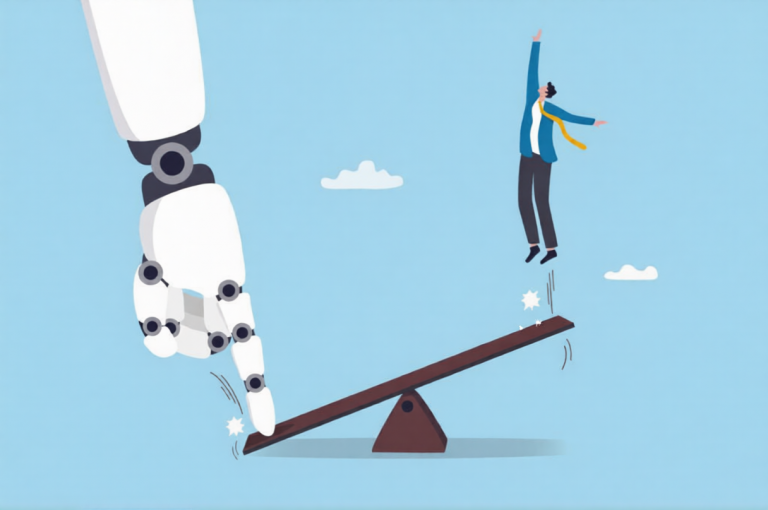
The goal should be to view AI as a co-worker, not a replacement, allowing human marketers to focus on areas where they truly excel.
Over-reliance and Loss of Human Touch
An excessive reliance on AI can lead to a loss of the human element in marketing. While personalisation is good, an overly automated approach can feel impersonal or even intrusive. Businesses must strike a balance, ensuring that AI enhances, rather than diminishes, genuine human connection and creativity. The best marketing strategies combine AI’s analytical power with human empathy and strategic vision.
Addressing these challenges requires a proactive and thoughtful approach. Businesses must establish clear ethical guidelines, invest in secure data practices, and continuously educate their teams on the responsible use of AI. For further assistance or to discuss these complex issues, please feel free to Contact us.
The Future of AI in Marketing Strategy
Looking ahead, the future of AI in marketing strategy promises even deeper integration and more sophisticated applications. AI is not a fleeting trend but a foundational shift that will continue to redefine how businesses plan, execute, and measure their marketing efforts. Marketers who embrace this evolution will be best positioned for success, moving beyond tactical applications to truly strategic deployment.
Hyper-Personalisation and Predictive Customer Journeys
The current level of personalisation, while impressive, is just the beginning. The future will see AI creating truly dynamic and adaptive customer journeys. AI will not only predict what a customer might want next but will also anticipate their emotional state, preferred communication channels, and even the optimal time for interaction. This means:
Proactive Engagement: AI will trigger marketing actions before a customer even realises they have a need, based on subtle behavioural cues and external factors.
Contextual Marketing: Messages will be delivered not just based on who the customer is, but where they are, what they are doing, and what their immediate environment suggests.
Emotional AI: Advanced AI might analyse facial expressions, voice tone, or text sentiment to gauge a customer’s mood and tailor interactions accordingly, leading to more empathetic and effective communication.
Autonomous Marketing Systems
Imagine marketing campaigns that largely run themselves. While human oversight will always be necessary, AI is moving towards creating increasingly autonomous marketing systems. These systems will be capable of:
Self-Optimising Campaigns: AI will continuously monitor campaign performance, make real-time adjustments to targeting, bidding, creative elements, and even budget allocation across multiple channels without constant human intervention.
Automated Experimentation: AI will run A/B tests and multivariate tests at scale, identifying the most effective strategies and tactics far faster than human teams could.
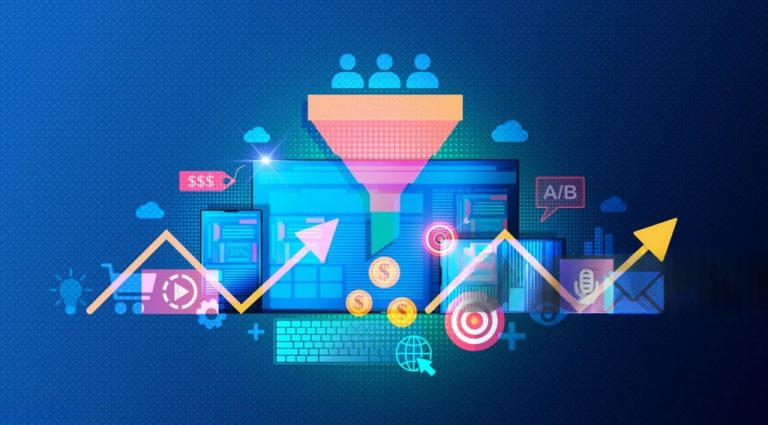
End-to-End Campaign Management: From initial audience identification and content generation to ad placement and performance reporting, AI could manage significant portions of the marketing funnel.
Enhanced Human-AI Collaboration
The future isn’t about AI replacing marketers, but rather about a more sophisticated collaboration between human intelligence and artificial intelligence. Marketers will become ‘AI whisperers’ or ‘AI strategists’, focusing on:
Defining Objectives: Setting the overarching goals and ethical boundaries for AI systems.
Interpreting Insights: Translating AI-generated data into actionable business strategies and creative concepts.
Creative Oversight: Ensuring AI-generated content aligns with brand voice, values, and resonates emotionally with audiences.
Strategic Innovation: Using AI to identify entirely new market opportunities or develop groundbreaking marketing approaches that combine data with human ingenuity.
This shift will require marketers to develop new skill sets, including data literacy, an understanding of AI capabilities and limitations, and a strong ethical compass. The role of the marketer will evolve into one that is more strategic, creative, and focused on high-level problem-solving.
Ethical AI and Trust Building
As AI becomes more pervasive, the emphasis on ethical AI will intensify. Future marketing strategies will need to explicitly incorporate principles of fairness, transparency, and accountability. Businesses that prioritise ethical AI will build greater trust with their customers, which will become a significant competitive differentiator. This includes:
Privacy-Preserving AI: Developing and using AI that can deliver personalisation without compromising individual privacy through techniques like federated learning or differential privacy.
Bias Detection and Mitigation: Advanced AI tools specifically designed to identify and correct biases within marketing algorithms and data sets.
Explainable AI (XAI): Greater development of AI models that can articulate their decision-making processes, fostering transparency and accountability.
The future of AI in marketing strategy is one of continuous innovation, where the lines between technology and human creativity blur. Businesses that proactively plan for this future, investing in both AI tools and the upskilling of their human teams, will be the ones that truly thrive. For those ready to explore how these advanced concepts can be applied to their specific business needs, we invite you to Book Your FREE Intelligent Content Strategy Session.
FAQs on AI in Digital Marketing
What is the primary benefit of AI in digital marketing?
The primary benefit is the ability to process vast amounts of data to deliver highly personalised customer experiences and optimise marketing campaigns with unprecedented efficiency and accuracy. This leads to better engagement, higher conversion rates, and a stronger return on investment.
Is AI only for large corporations?
Absolutely not. While large corporations have the resources for bespoke AI solutions, many accessible and affordable AI marketing tools are available for small businesses. These tools can automate tasks, provide data insights, and help smaller enterprises compete effectively without needing extensive technical expertise or a huge budget.
Will AI replace human marketers?
AI is more likely to augment human marketers rather than replace them. It automates repetitive and data-intensive tasks, freeing up human teams to focus on strategic thinking, creativity, emotional intelligence, and building genuine customer relationships. The role of the marketer will evolve, requiring new skills in managing and collaborating with AI.
What are the main ethical concerns with AI in marketing?
Key ethical concerns include data privacy and security, algorithmic bias (where AI perpetuates societal prejudices), lack of transparency in decision-making, and the potential for over-reliance leading to a loss of the human touch. Businesses must address these through transparent practices, data auditing, and human oversight.
How can a business start integrating AI into its marketing?
Start by identifying specific marketing challenges that AI could solve, such as improving email open rates, automating social media posting, or enhancing customer service with chatbots. Research accessible AI tools that address these needs, begin with small pilot projects, and continuously learn and adapt your approach. Consider developing a clear Digital Marketing Strategy A Step By Step Guide that incorporates AI planning.
Further Readings:
Explore Marketing Strategy vs Marketing Tactics: Key Differences: https://lyxity.com/marketing-strategy-vs-marketing-tactics-key-differences/
Explore Digital Marketing Strategy: A Step-by-Step Guide: https://lyxity.com/digital-marketing-strategy-a-step-by-step-guide/
Explore Content Marketing Strategies That Actually Work: https://lyxity.com/content-marketing-strategies-that-actually-work/
Conclusion
Artificial intelligence is no longer a futuristic concept but a present-day reality that is fundamentally reshaping the landscape of digital marketing. From enabling hyper-personalisation at scale to automating complex campaign optimisations and enhancing customer service, AI offers businesses a powerful suite of capabilities to improve their marketing effectiveness and achieve their commercial objectives. We have explored AI in Digital Marketing: What Businesses Need to Know, delving into its core components, the profound ways it transforms operations, and the practical AI marketing tools for small business that are readily available.
However, the journey with AI is not without its complexities. Businesses must navigate crucial challenges related to data privacy, algorithmic bias, and the ethical implications of deploying intelligent systems. Responsible AI adoption, coupled with a commitment to transparency and human oversight, will be paramount for building and maintaining customer trust. The future of AI in marketing strategy points towards even more sophisticated autonomous systems and a deeper, more collaborative relationship between human marketers and AI tools. This evolution demands that marketers adapt, acquiring new skills in data interpretation, strategic thinking, and ethical governance.
Ultimately, AI serves as a powerful assistant, allowing marketers to move beyond guesswork and intuition towards data-driven precision. It frees up valuable human resources from repetitive tasks, enabling them to focus on creativity, strategic innovation, and the nuanced art of building genuine customer relationships. For any business looking to remain competitive and relevant in an increasingly data-driven world, understanding, embracing, and strategically integrating AI into their marketing efforts is not just an advantage – it is an essential requirement for sustained growth and success.
Connect with the Author: http://linkedin.com/in/infoforte
Book Your FREE Intelligent Content Strategy Session: https://jimmcwilliams.youcanbook.me
Explore Lyxity’s Homepage: https://lyxity.com/